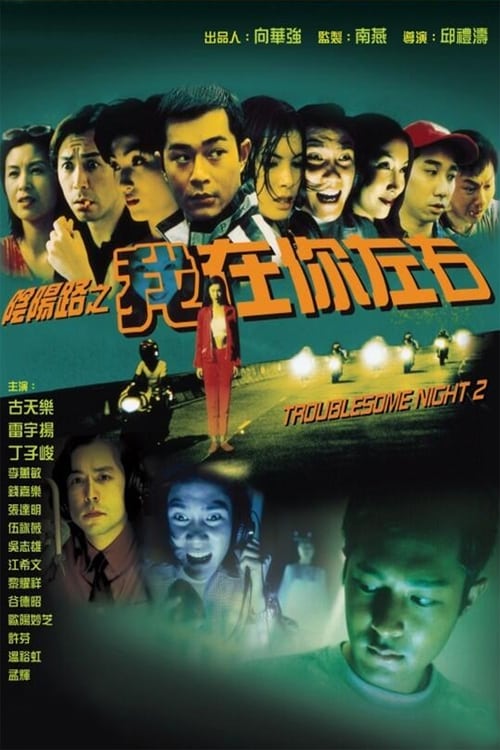
Troublesome Night 2
1997
No user ratings available yet
Representation score: 3.0 out of 10
Representation Score
Fair
1998
Director
Herman Yau
Runtime
99 minutes
Average Rating
No ratings yetNew Showbiz Analysis
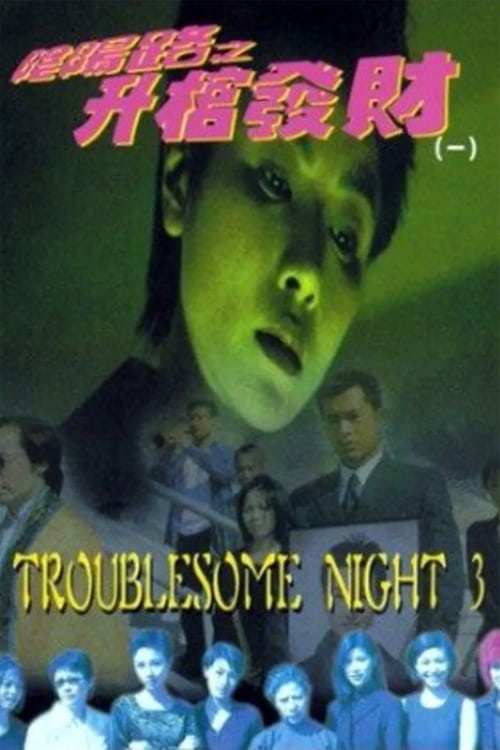
Troublesome Night 3 is a genre-driven exploration of urban folklore and moral consequence, operating within the specific demographic and social norms of late-90s Hong Kong cinema. It prioritizes horror clichés over progressive social representation. While the film lacks intentional diverse representation, it offers subtle critiques of capitalist greed and the fragility of traditional masculine archetypes. The narrative uses karmic retribution to challenge social stability and institutional morality. Ultimately, the film's focus remains on localized cultural identity and supernatural themes, reflecting adherence to the era's standard social structures.
Category Breakdown
The film does not include explicit LGBTQ+ characters or relationships that challenge straight-centered assumptions. The romantic dynamics follow traditional heterosexual structures without giving queer identities much depth.
Female characters like Gigi and Hung play significant roles in driving the plot, often responding emotionally to male actions. The film challenges traditional masculinity through Daviv's superficiality and eventual comeuppance.
The cast is ethnically uniform, reflecting the local Hong Kong demographics of the late 1990s. It emphasizes a specific Cantonese identity rather than challenging Western-centric casting norms.
The narrative critiques predatory capitalism by depicting workers exploiting grief for profit. It explores situational morality using a framework of karmic retribution rather than strict institutional religious doctrine.
There is no significant portrayal of characters with disabilities, either visible or invisible. The story focuses on psychological distress and supernatural elements rather than lived experiences of disability.
Present on Screen
Limited or Absent
Official Synopsis
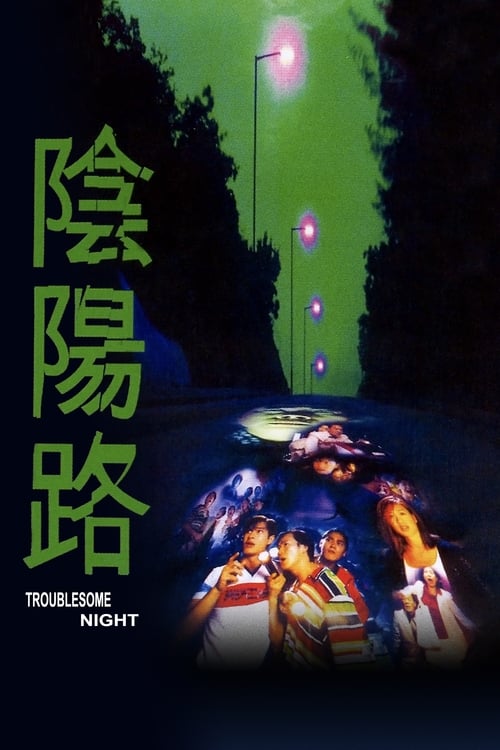
Shishedo, a mortician, is grief-stricken when his favorite singer is killed in a car accident. As a result, he vows to help her get the most "appropriate" burial. Afterward, Shishedo disappears and leaves his co-workers to deal with the ghostly aftermath. In the next segment, Gigi wants a memorial service for her departed mother. Seizing the opportunity, Shishedo's co-workers coaxed Gigi into purchasing tons of service materials from them. Upset at the greed, the ghost of Gigi's mother returns to haunt the workers. Lastly, Hung was dumped by her boyfriend Daviv because the thought of her working at the mortuary doesn't appeal to him. When Hung does the unthinkable to escape the pain, Daviv finds himself facing retribution.
1997
1995
1999
1985
2001
1998
1982
1997
No reviews yet. Be the first to share your thoughts on this movie!
Use the rating form above to leave a star rating and optional review.