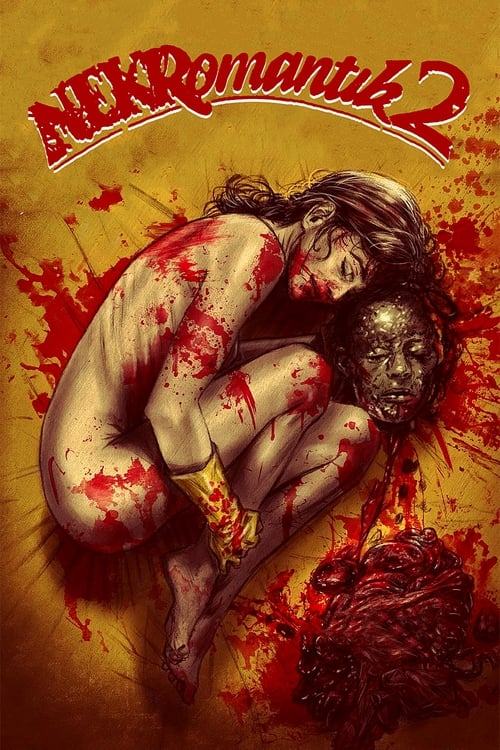
Nekromantik 2
1991
No user ratings available yet
Representation score: 2.0 out of 10

Representation Score
Limited
2014
Director
Ben Aston
Runtime
11 minutes
Average Rating
No ratings yetNew Showbiz Analysis
He Took His Skin Off for Me is a domestic horror-romance that emphasizes intense personal relationships over broader sociological issues. The narrative focuses on a single romantic pair, limiting its ability to address wider demographic representation. The film primarily explores the limits of romantic sacrifice within a specific context. Ultimately, the film operates in a neutral space, using traditional romantic themes without providing evidence of diverse or multi-layered subversion.
Category Breakdown
The story centers on a heterosexual couple. Although body horror often challenges traditional relationships, there is no clear indication of queer identities or non-traditional gender dynamics.
The plot revolves around a male character performing a radical act for a female counterpart. It is unclear whether this reinforces traditional gender roles or subverts them through dysfunctional behavior.
The documentation does not specify the racial or ethnic identities of the cast. There is no evidence regarding racial plurality or multi-layered casting within this domestic setting.
The film explores the breakdown of the ideal domestic unit through psychological complexity. It emphasizes the dysfunction of a romantic gesture over stable, idealized social structures.
There is no specific information about the depiction of neurodivergence or physical disabilities. The protagonist's extreme actions might suggest a psychological issue, but this is not confirmed.
Present on Screen
Limited or Absent
Official Synopsis
A simple, domestic love story about a man who takes his skin off for his girlfriend, and why it probably wasn't the best idea...
1991
1999

2013
2018

1997
2026

2000

2014
No reviews yet. Be the first to share your thoughts on this movie!
Use the rating form above to leave a star rating and optional review.