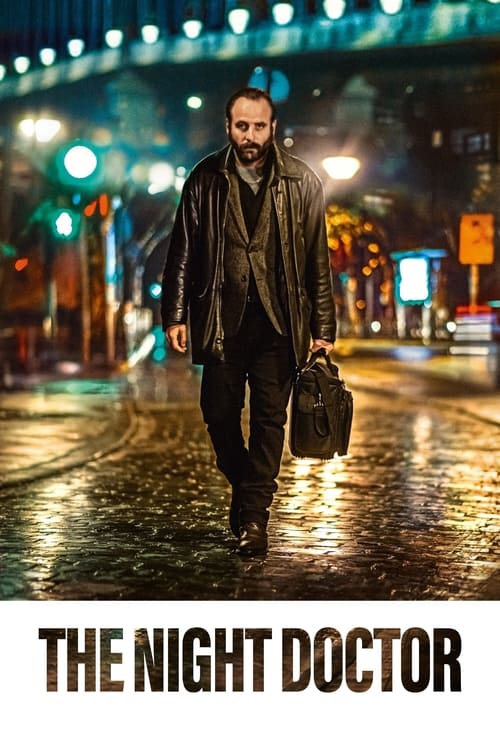
The Night Doctor
2021
No user ratings available yet
Representation score: 5.4 out of 10
Representation Score
Excellent
2016
Director
Ralitza Petrova
Runtime
99 minutes
Average Rating
No ratings yetNew Showbiz Analysis
Ralitza Petrova’s film is a gritty study of moral erosion and systemic failure. It avoids traditional heroism, instead focusing on a protagonist defined by survivalist criminality and substance dependency. The work excels in subverting gendered expectations and providing a sophisticated critique of institutional corruption. By centering on a woman navigating high-stakes illicit economic activity, it challenges conventional cinematic depictions of female virtue. However, the film's reliance on underrepresented groups as plot catalysts presents a risk. While it critiques the treatment of the incapacitated, the narrative remains anchored in a bleak, nihilistic worldview that may limit broader representation.
Category Breakdown
While there are no explicitly confirmed LGBTQ+ characters, the film focuses on social outcasts, suggesting a setting where traditional heterosexual norms are challenged by the necessity of survival.
The film subverts gender hierarchies by centering on a morally ambiguous female protagonist who drives illicit activity rather than conforming to traditional nurturing or victim roles.
Reflecting its Bulgarian origins, the cast likely mirrors local demographics. The film uses the commodification of demented patients' identities to critique the erasure of individual identity within a bureaucratic machine.
The film critiques institutional stability by portraying a healthcare professional as a criminal. It prioritizes existentialist nihilism over religious frameworks, highlighting a breakdown of traditional social contracts.
Cognitive decline is central to the plot through the depiction of demented patients. Their vulnerability to identity theft critiques how a predatory social system treats the incapacitated.
Present on Screen
Limited or Absent
Official Synopsis
A nurse traffics the ID cards of demented patients on the black market of identity theft. Driven by easy cash, and an addiction to morphine, she struggles to keep tabs on her emotional void, and a growing fear of punishment.
2021

2008

2019
2016
2017

2015

2018

2023
No reviews yet. Be the first to share your thoughts on this movie!
Use the rating form above to leave a star rating and optional review.