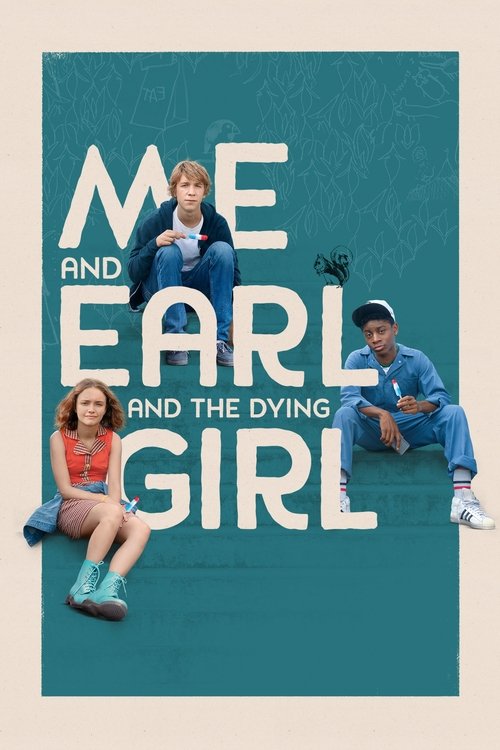
Me and Earl and the Dying Girl
2015
No user ratings available yet
Representation score: 6.0 out of 10
Representation Score
Fair
2011
RDirector
Jonathan Levine
Runtime
100 minutes
Average Rating
No ratings yetNew Showbiz Analysis
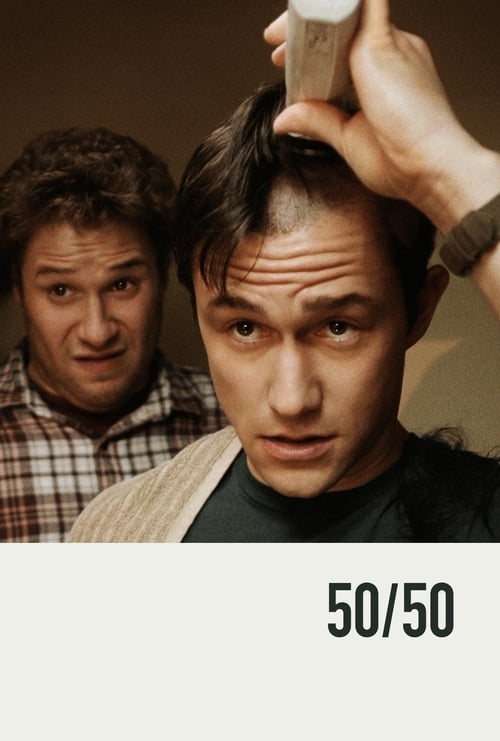
50/50 succeeds as a humanistic character study that avoids many common clichés found in medical dramas. It effectively deconstructs traditional masculinity and presents a realistic view of disability and illness. However, the film remains limited by its narrow demographic focus. The absence of LGBTQ+ representation and diverse casting keeps the narrative within a traditional, homogeneous framework.
Category Breakdown
The film focuses solely on straight and cisgender relationships, with no representation of LGBTQ+ individuals or narratives.
The film challenges traditional masculine stereotypes by highlighting the protagonist's emotional side. It questions traditional patriarchal structures through a complex father-son relationship.
The cast is predominantly white and middle-class, with no characters who reflect more than one aspect of diversity to enrich the central storyline.
The film depicts the healthcare system as a cold, impersonal entity. It avoids idealized family scenarios by showcasing parental shortcomings and household dysfunction.
The film realistically portrays chronic illness and physical vulnerability without resorting to inspirational stories. It focuses on the everyday realities of medical treatment.
Present on Screen
Limited or Absent
Official Synopsis
Inspired by a true story, a comedy centered on a 27-year-old guy who learns of his cancer diagnosis and his subsequent struggle to beat the disease.
2015

2018

2019

2020
1998

2001

2014
1992
No reviews yet. Be the first to share your thoughts on this movie!
Use the rating form above to leave a star rating and optional review.