
Five Corners
1987
No user ratings available yet
Diversity score: 6.0 out of 10
1986
RDirector
Andy Anderson
Runtime
95 minutes
Average Rating
No ratings yetSynopsis
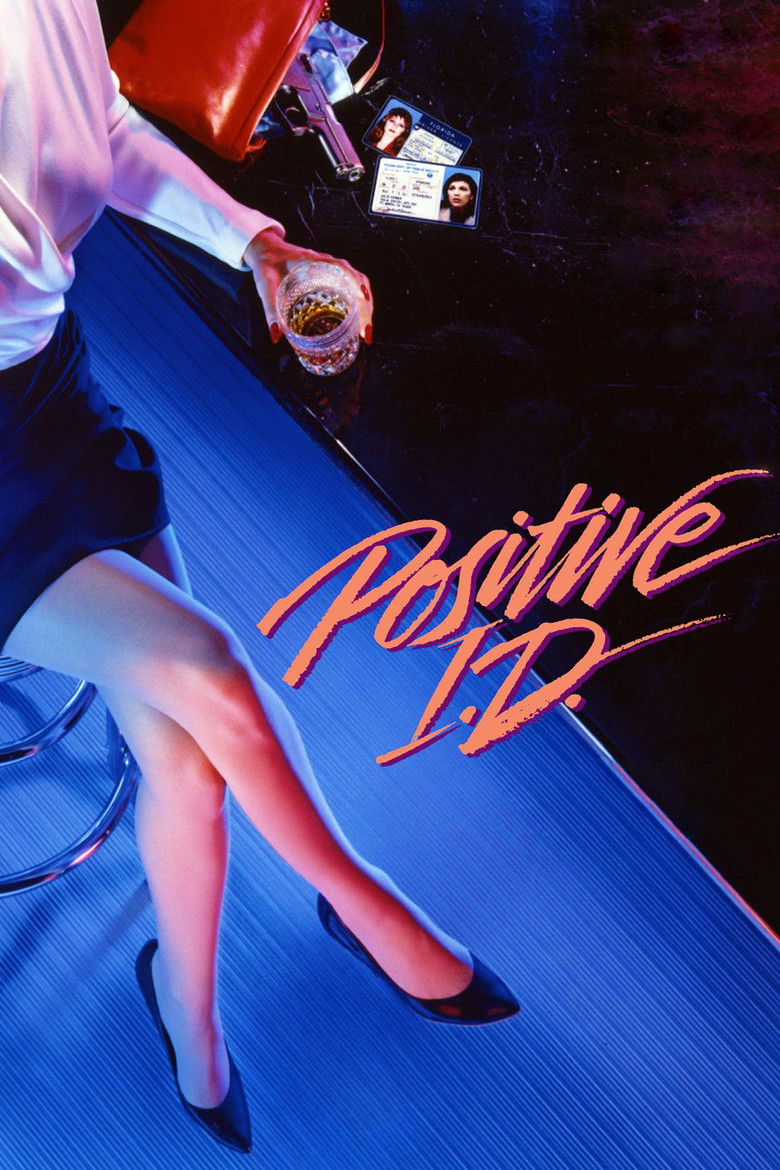
A year after she is brutally raped, Dallas housewife Julie Kenner still can't shake the horror of the attack. She decides to forge a series of separate identities for herself, borrowing the names and birth dates of various strangers.
Overall Score
Good
Category Breakdown
LGBTQ+ Representation
The film centers on the intersection of queer identity and the HIV/AIDS crisis. It treats the epidemic as a complex medical reality rather than a moral failing, providing a platform for the social fears faced by the community.
Gender Representation
The narrative challenges traditional masculinity by focusing on a male protagonist's emotional and physical fragility. However, this subversion is largely limited to the protagonist's internal psychological journey.
Racial & Ethnic Diversity
The story focuses primarily on a domestic social crisis within the UK. There is no significant evidence of a multi-ethnic cast or broader ethnic intersectionality within the narrative.
Religious & Cultural Diversity
The film critiques how social stigma and traditional moral frameworks marginalize vulnerable populations. It uses the public health crisis to examine how society manages 'the other' and systemic victimhood.
Disability Representation
The film portrays invisible disability through the lens of chronic illness and terminal diagnosis. It grants the protagonist agency, focusing on the harrowing reality of managing a life-altering health condition.
Strengths
Areas for Improvement
AI Analysis
Positive I.D. serves as a historical document of mid-1980s social anxieties. It excels by placing the LGBTQ+ experience and the HIV/AIDS epidemic at the center of its narrative architecture, offering a nuanced look at identity during a period of intense scrutiny. The film's strength lies in its refusal to use illness as a mere plot device, instead providing a sophisticated portrayal of chronic illness and the psychological weight of a terminal diagnosis. This approach avoids common tropes in favor of lived reality. However, the film's impact is tempered by a lack of racial and ethnic diversity. The focus remains strictly on a specific UK-centric social crisis, missing opportunities to explore broader intersectional identities.
No reviews yet. Be the first to share your thoughts on this movie!
Use the rating form above to leave a star rating and optional review.