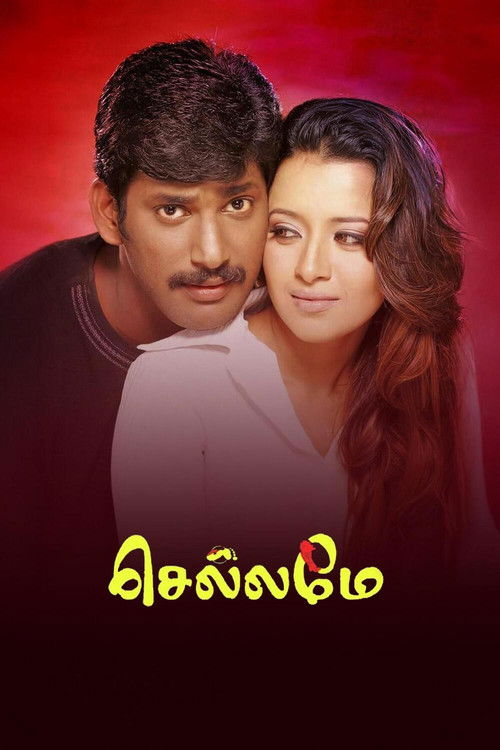
Chellamae
2004
No user ratings available yet
Representation score: 1.1 out of 10

Representation Score
Fair
1999
Director
Upendra
Runtime
138 minutes
Average Rating
No ratings yetNew Showbiz Analysis
Upendra's 1999 film is a postmodern work that challenges traditional storytelling norms through structural disruption. It rejects the stable, moral hero in favor of a psychologically fractured protagonist, thereby questioning established social hierarchies. The film excels in deconstructing narrative structure and moral certainty. By embracing 'anti-logic' and situational ethics, it offers a sophisticated critique of conventional storytelling norms. However, the film lacks diversity in terms of identity representation. It does not include LGBTQ+ characters or portrayals of disability, remaining focused on a traditional, albeit unconventional, heterosexual framework.
Category Breakdown
The film centers around a complex heterosexual relationship involving three characters. There are no representations of same-sex intimacy or non-cisgender gender identities.
The story challenges the traditional hero archetype by depicting the protagonist as irrational and obsessive. This portrayal disrupts typical masculine leadership and romantic expectations.
The film features a predominantly South Indian cast, offering a localized perspective on identity that diverges from Western-centric narratives.
The storyline is grounded in moral relativism and situational ethics. It employs fragmented storytelling to critique traditional moral lessons through psychological complexity.
There are no visible or invisible disabilities portrayed as central to the character arcs or elements of the story.
Present on Screen
Limited or Absent
Official Synopsis
Naanu, who always speaks the truth, is married to Swathi. However, he is soon pursued by Rathi and is forced to accept her love but finds it difficult to let go of his obsession with Keerthi.
2004

2018
2004
2004

2014

2019
2004

2019
No reviews yet. Be the first to share your thoughts on this movie!
Use the rating form above to leave a star rating and optional review.