Find another title
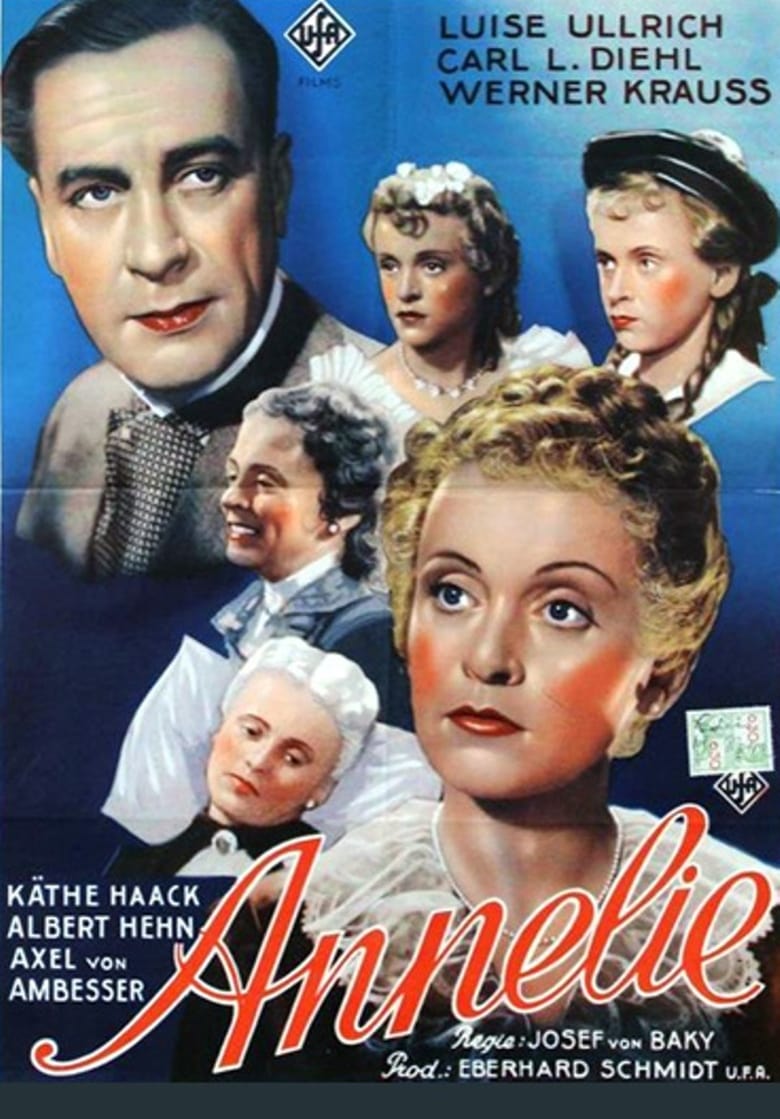
Annelie
1941
Runtime
92 minutes
Average Rating
No ratings yetSynopsis
On New Year′s Eve 1871 Annelie is born – 15 minutes too late, since her parents had calculated her birth to be exactly at midnight. These 15 minutes will again and again become the girl′s fate.
Where to Watch
Diversity & Representation
Overall Score
Limited
Category Breakdown
LGBTQ+ Representation
The film lacks any evidence of non-cisnormative identities or same-sex narratives. It appears to follow a traditional romantic trajectory typical of its era.
Gender Representation
While the story centers on a female protagonist, her journey seems driven by biological fate rather than personal agency. She likely operates within traditional domestic frameworks.
Racial & Ethnic Diversity
Set in 1871, the film likely features a homogeneous European cast. There is no indication of multiculturalism or diverse ethnic representation.
Religious & Cultural Diversity
The narrative emphasizes lineage and the natural order of life events. It aligns with conservative cultural values rather than offering subversive social critiques.
Disability Representation
There is no evidence of characters with physical or neurodivergent disabilities. The central conflict regarding 'fate' appears to be metaphorical rather than a depiction of disability.
Strengths
- The film provides a female-centric narrative by centering its story on the protagonist, Annelie.
Areas for Improvement
- The film lacks representation for LGBTQ+ identities, diverse ethnic groups, and individuals with disabilities.
- The female lead appears to be a subject of fate rather than an active agent of her own life.
- The narrative adheres to conservative, traditionalist values without offering subversive social perspectives.
AI Analysis
Annelie is a period drama that operates strictly within the traditional social and cinematic hierarchies of 1941. The narrative focuses on a singular female protagonist, yet her character arc seems defined by external circumstances and destiny rather than active agency. The film lacks representation for LGBTQ+ identities, diverse racial backgrounds, or individuals with disabilities. It appears to be a conventional European production that prioritizes classical storytelling and conservative cultural norms over social disruption. Ultimately, the work reflects the demographic and thematic constraints of its time, focusing on a homogeneous worldview and traditional romantic structures.
Rate this Movie
Reviews
No reviews yet. Be the first to share your thoughts on this movie!
Use the rating form above to leave a star rating and optional review.