Cinema-Circus
1942
No user ratings available yet
Representation score: 3.8 out of 10
Representation Score
Fair
1956
Director
Jiří Trnka
Runtime
76 minutes
Average Rating
No ratings yetNew Showbiz Analysis
Jiří Trnka’s animation employs satire to deconstruct institutional rigidity and state power. While the film lacks diversity in gender and LGBTQ+ representation due to its historical military setting, it finds strength in its thematic depth. The work succeeds by centering a protagonist whose perceived cognitive differences allow him to navigate and undermine an oppressive imperial system. This approach avoids common clichés by granting the character significant control over the story. Ultimately, the film's value lies in its sophisticated critique of nationalism and the absurdity of the Austro-Hungarian bureaucracy, prioritizing cultural and systemic analysis over broad demographic representation.
Category Breakdown
There are no visible depictions of non-straight relationships or same-sex intimacy in the film, which is set in a strictly masculine military environment.
Women appear only in minor roles within a patriarchal military structure. The film focuses more on challenging masculine leadership than on exploring gender roles.
The setting reflects the multi-ethnic makeup of the Austro-Hungarian Empire. It critiques the attempts of imperialist structures to unify diverse ethnic identities under a single crown.
The narrative excels at critiquing corrupt, irrational imperial institutions. It uses satire to expose the emptiness of nationalism and the dehumanizing nature of the state.
The protagonist's neurodivergent behavior is treated with ability to act rather than pity. His unconventional cognitive processing helps him navigate and undermine rigid institutional structures.
Present on Screen
Limited or Absent
Official Synopsis
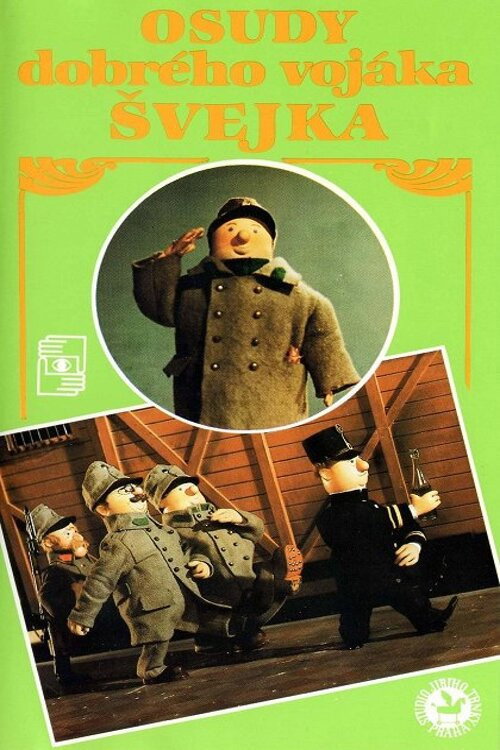
Adapting Jaroslav Hasek's raucous satirical novel, and also bringing Josef Lada's equally famous illustrations to garrulous puppet life, posed Trnka one of his biggest creative challenges. Trnka himself felt that the final episode was the most artistically successful, but there's much to enjoy in all three, not least the way that the lackadaisical layabout Svejk's own self-serving anecdotes are realized through cut-out animation.
1942
1980
1947
1967
1976
1968
1986

1949
No reviews yet. Be the first to share your thoughts on this movie!
Use the rating form above to leave a star rating and optional review.