Find another title
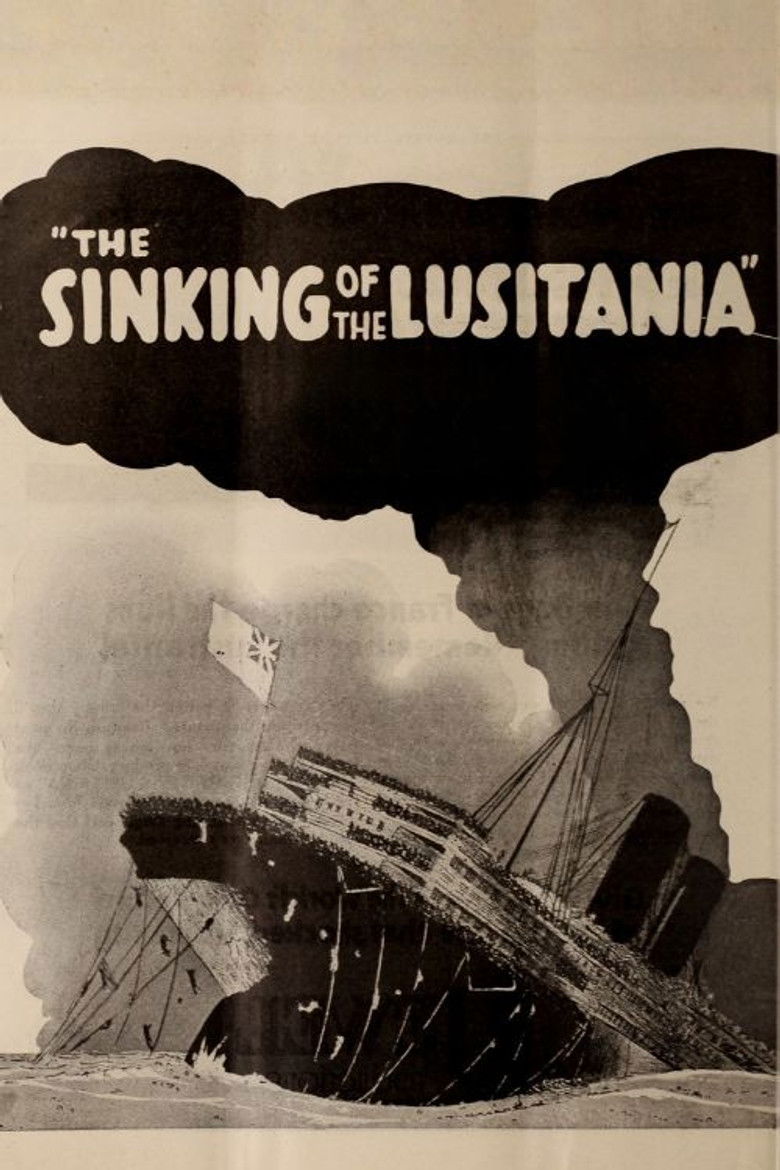
The Sinking of the Lusitania
1918
TV-PGDirector
Winsor McCay
Runtime
12 minutes
Average Rating
No ratings yetSynopsis
Winsor McCay recreates the sinking of the ocean liner Lusitania by a German U-boat in this propaganda piece designed to stir up anti-German sentiment during World War I.
Where to Watch
Diversity & Representation
Overall Score
Minimal
Category Breakdown
LGBTQ+ Representation
The film contains no depictions of gender identity or sexual orientation. The technical focus on maritime disaster leaves no narrative space for queer subtext.
Gender Representation
The narrative centers on mechanical destruction rather than character dynamics. Consequently, there is an absence of gendered agency or specific gendered archetypes.
Racial & Ethnic Diversity
The animation focuses on the macro-scale sinking of the vessel. It lacks intentional racial diversity, reinforcing a Western-centric view of the geopolitical conflict.
Religious & Cultural Diversity
As wartime propaganda, the film bolsters existing socio-political frameworks. It frames the conflict through nationalistic urgency without critiquing Western institutional structures.
Disability Representation
There are no depictions of neurodivergence or physical disabilities. The work remains strictly focused on environmental and mechanical aspects of the disaster.
Strengths
- Technical innovation in early animation through sophisticated draftsmanship.
Areas for Improvement
- The film lacks character-driven dynamics and diverse representation.
- The narrative reinforces a narrow, Western-centric geopolitical perspective.
- There is a total absence of intersectional identities or social complexity.
AI Analysis
Winsor McCay’s animation is a technical milestone that prioritizes journalistic recreation over social complexity. By focusing on the mechanical movement of the U-boat and the ship's destruction, the film avoids character-driven storytelling entirely. The work functions primarily as nationalistic propaganda designed to stir anti-German sentiment. This singular ideological purpose leaves no room for the exploration of identity, agency, or intersectional representation. Ultimately, the film operates within the rigid parameters of early 20th-century nationalism. It documents a geopolitical event through a narrow lens that ignores the diverse demographics of the era.
Rate this Movie
Reviews
No reviews yet. Be the first to share your thoughts on this movie!
Use the rating form above to leave a star rating and optional review.