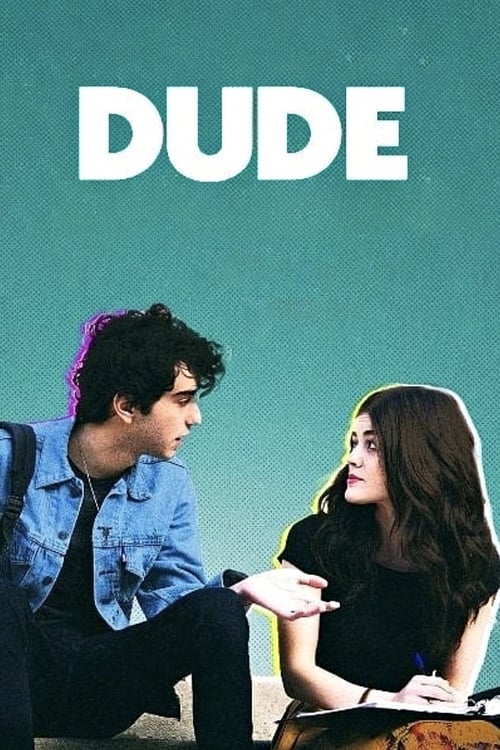
Dude
2018
No user ratings available yet
Representation score: 5.6 out of 10

Representation Score
Fair
2016
RDirector
Chris McCoy
Runtime
86 minutes
Average Rating
No ratings yetNew Showbiz Analysis
Good Kids offers a refreshing take on the academic achiever archetype by presenting a diverse group of students with significant roles in driving the story. Rather than relying on stereotypes of underrepresented students, the film places characters from various backgrounds into prestigious academic contexts like MIT and Stanford. The film succeeds in diversifying the social outsider cliché, focusing on intellectual competence and global connectivity. However, it remains somewhat tethered to conventional romantic clichés and heterosexual structures. While it avoids the 'party girl' clichés through Nora's characterization, the narrative lacks explicit LGBTQ+ representation and does not address disability, keeping its social commentary within a relatively safe, mid-range territory.
Category Breakdown
The story focuses on heterosexual romantic interests, such as Nora's crush on a colleague. There is no explicit depiction of LGBTQ+ identities or subplots centered around non-straight relationships.
Nora provides a strong counter-narrative to typical teen comedy clichés through her intellectual pursuits in ichthyology. Her significant role in driving the story offers a glimpse of female competence within the coming-of-age framework.
The ensemble includes diverse actors like Mateo Arias and Israel Broussard in central roles. The narrative also connects characters to global contexts, such as a relationship with a pen pal in India.
The film critiques exclusionary social hierarchies by focusing on students left out of traditional milestones. It explores the transition from institutionalized education to individualistic self-discovery and rebellion.
There is no significant evidence regarding the portrayal of visible or invisible disabilities within the character descriptions or plot.
Present on Screen
Limited or Absent
Official Synopsis
Four high school students look to redefine themselves after graduation.
2018

2016

2015
2016
2020

2020
2012

2018
No reviews yet. Be the first to share your thoughts on this movie!
Use the rating form above to leave a star rating and optional review.