
Un sueño en la piel
2010
No user ratings available yet
Representation score: 2.3 out of 10
Representation Score
Excellent
2009
Director
Carlos Sedes
Runtime
0 minutes
Average Rating
No ratings yetNew Showbiz Analysis
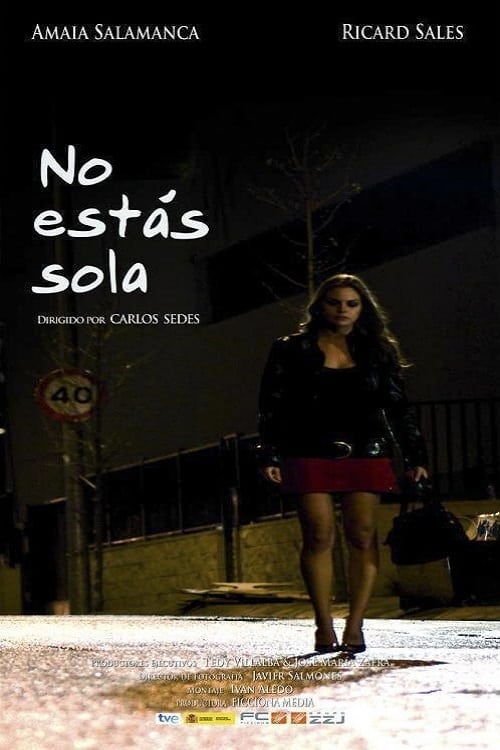
No estás sola, Sara serves as a gritty piece of social realism that tackles the harsh realities of domestic violence. By focusing on a true story, the film shifts away from idealized moralism to highlight systemic failures within the family unit. The film's main impact lies in its challenge to traditional gendered power dynamics and patriarchal authority. It reframes the home as a site of conflict rather than a refuge. While the film effectively critiques patriarchal structures, it lacks visible diversity in terms of race, ethnicity, or LGBTQ+ identities, reflecting the localized social realism common in its era.
Category Breakdown
The film does not include explicit queer narratives or non-cisgender identities. It maintains a neutral stance typical for social dramas of this time period.
The story focuses on female survival and challenges male-dominated household authority. It breaks down traditional masculinity by showing it through systemic abuse and the reclaiming of control.
The production reflects a culturally uniform Spanish setting. The cast and context emphasize localized, demographic-specific social realism.
The film questions traditional Western institutions by depicting the family unit as a place of oppression rather than safety. It prioritizes personal safety over societal structures.
There is no specific information about the portrayal of physical or neurodivergent disabilities. The score remains neutral.
Present on Screen
Limited or Absent
2010

2012

2017

2021

2022

2020

2019

2019
No reviews yet. Be the first to share your thoughts on this movie!
Use the rating form above to leave a star rating and optional review.