Hells Angels Forever
1983
No user ratings available yet
Representation score: 1.3 out of 10
Representation Score
Limited
1966
Director
Titus Moede
Runtime
35 minutes
Average Rating
No ratings yetNew Showbiz Analysis
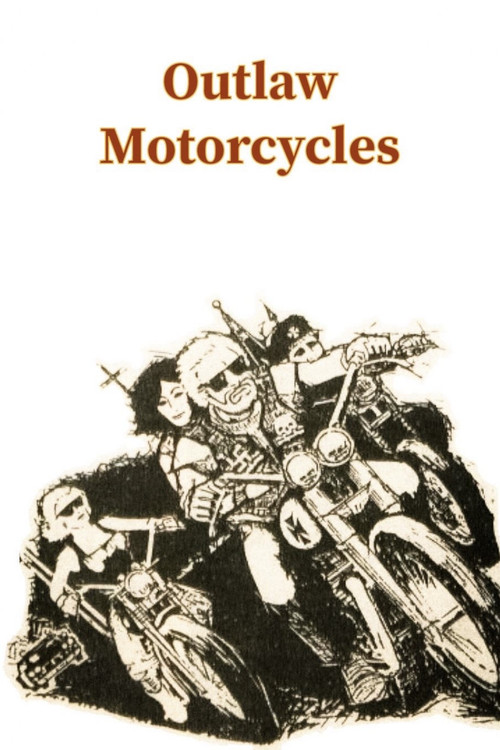
Outlaw Motorcycles serves as a raw ethnographic study of the Coffin Cheaters motorcycle club. Its primary value lies in documenting social non-conformity and the disruption of 1960s mainstream norms. However, the film lacks intentional characters who reflect more than one aspect of diversity. The film captures a counter-cultural movement that challenges the era's idealized American life. It provides a window into a subculture that operates entirely outside traditional professional and domestic structures. However, the work lacks diversity in terms of gender, race, and sexual orientation. It remains a narrow study of a specific, likely homogeneous, male-dominated group.
Category Breakdown
The film does not include confirmed LGBTQ+ characters or non-straight relationships. Although there is an outlaw subculture on the fringes of 1960s society, there are no explicit queer stories.
The documentary focuses on the male-dominated Coffin Cheaters motorcycle club. It emphasizes traditional masculine leadership while also challenging mid-century domestic gender roles by highlighting men outside conventional family structures.
Specific casting details are unavailable to confirm the club's racial composition. However, the historical context of 1960s biker culture suggests a likely homogeneous, white-centric demographic.
The film strongly critiques the mainstream mid-century civic order. By documenting an anti-establishment lifestyle, it prioritizes tribal loyalty over traditional Western social stability and state institutions.
There is no documented evidence regarding the portrayal of physical or neurodivergent disabilities within this film.
Present on Screen
Limited or Absent
Official Synopsis
In 1965 actor and hopeful first time director Titus Moede befriended ‘Preacher’ of the outlaw motorcycle club the Coffin Cheaters while looking for a project. He soon realized that this was exactly the subject he had been looking for.
1983

1966
1976
1953
1971
1981
1980
2015
No reviews yet. Be the first to share your thoughts on this movie!
Use the rating form above to leave a star rating and optional review.