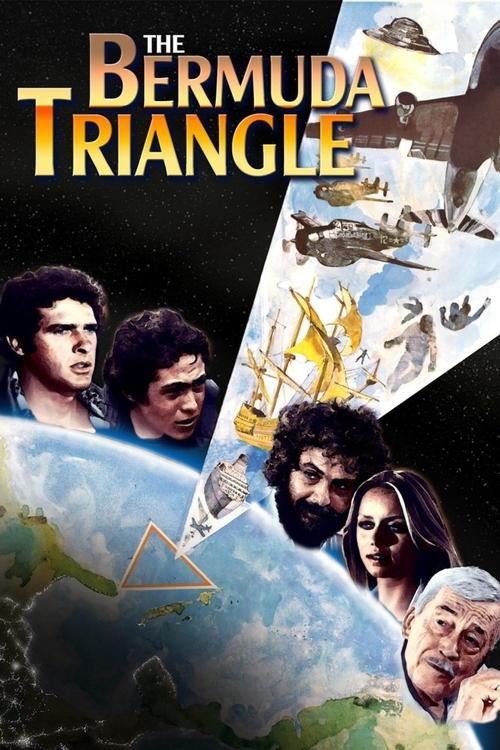
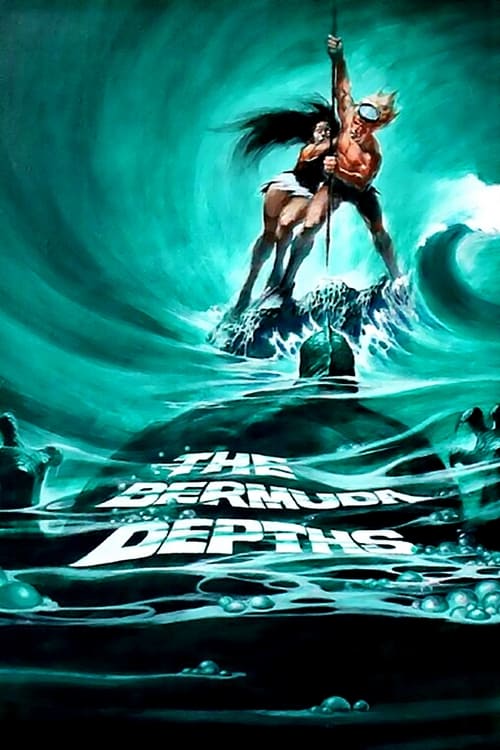
The Bermuda Triangle
1978
No user ratings available yet
Representation score: 2.0 out of 10
Representation Score
Fair
1978
Not RatedDirector
Tsugunobu Kotani
Runtime
97 minutes
Average Rating
No ratings yetNew Showbiz Analysis
The film stands as a unique cross-cultural hybrid, blending American fantasy writing with Japanese tokusatsu-style creature effects. This collaboration between Arthur Rankin Jr. and Tsuburaya Productions creates a cinematic language that transcends standard Western genre boundaries. Representation is strongest in its casting and production origins. By utilizing a Japanese/American co-production model and including a diverse ensemble, the film avoids the demographic homogeneity common in late 1970s television movies. However, the narrative remains anchored in traditional clichés. The romantic and emotional structures follow conventional adventure-thriller patterns, lacking deep engagement with identity politics or social deconstruction.
Category Breakdown
The film focuses on a nostalgic, sentimental bond between Magnus and Jennie. There is no explicit depiction of LGBTQ identities or non-straight relationships within the narrative.
Jennie Haniver serves as a mysterious, disruptive force who returns from the dead. While she plays a significant role in driving the story, the emotional core remains centered on the male protagonist.
The production features notable integration for 1978, casting actors like Carl Weathers and Julie Woodson. This reflects a more globalized landscape than typical television movies of the era.
The story prioritizes mystical folklore and prehistoric atmosphere over religious frameworks. It focuses on psychological experiences and dreams rather than critiques of specific cultural institutions.
The available plot details and character descriptions do not mention any depictions of physical or neurodivergent disabilities.
Present on Screen
Limited or Absent
Official Synopsis
Scientists pursuing the mysteries of the deep are threatened by a beautiful girl who seems to have returned from the dead and by a prehistoric sea creature that dwells in the deadly Bermuda Triangle.
1978

1954
1979

1995
1978
1963
2001
1980
No reviews yet. Be the first to share your thoughts on this movie!
Use the rating form above to leave a star rating and optional review.