
Shooting for Socrates
2014
No user ratings available yet
Representation score: 3.2 out of 10
Representation Score
Minimal
2006
PG-13Director
Paul Weiland
Runtime
93 minutes
Average Rating
No ratings yetNew Showbiz Analysis
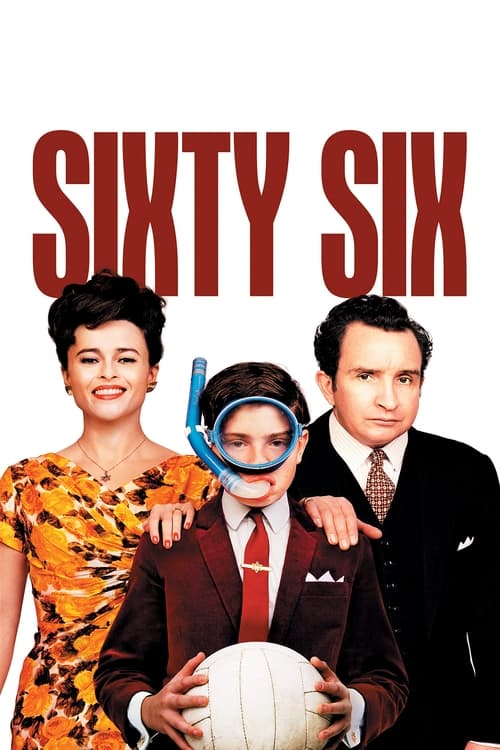
Sixty Six is a period comedy that emphasizes nostalgia over social disruption. It reflects the established norms of mid-century Western society, focusing on the cultural atmosphere of 1960s Britain. The film upholds traditional social hierarchies and lacks complexity in its representation of diverse identities. It offers a conventional portrayal of the British middle class during a specific historical period without challenging systemic structures. Ultimately, the narrative avoids progressive themes, opting for a traditional depiction of family and society.
Category Breakdown
The film does not include any LGBTQ+ characters and focuses on traditional heterosexual relationships.
The story portrays a traditional gender hierarchy where the mother manages the household while the father holds a more public role. However, the mother demonstrates independence within her traditional duties.
Set in 1966 Britain, the cast is primarily white and reflects the era's homogeneous demographics. The film does not explore diverse backgrounds or multi-layered identities.
The film highlights Western cultural events like the 1966 World Cup, reinforcing traditional social structures and middle-class stability without critiquing religious or institutional norms.
There is no visible representation of physical or neurodivergent disabilities. The narrative does not use disability as a theme or tool for character development.
Present on Screen
Limited or Absent
Official Synopsis
A boy's Bar Mitzvah looks set to be a disaster when it coincides with the 1966 World Cup Final.
2014
2006
1996
2015
1992
1987

1982

1997
No reviews yet. Be the first to share your thoughts on this movie!
Use the rating form above to leave a star rating and optional review.