
The Wonder
2019
No user ratings available yet
Representation score: 5.3 out of 10
Representation Score
Good
2022
Director
José Corral Llorente
Runtime
108 minutes
Average Rating
No ratings yetNew Showbiz Analysis
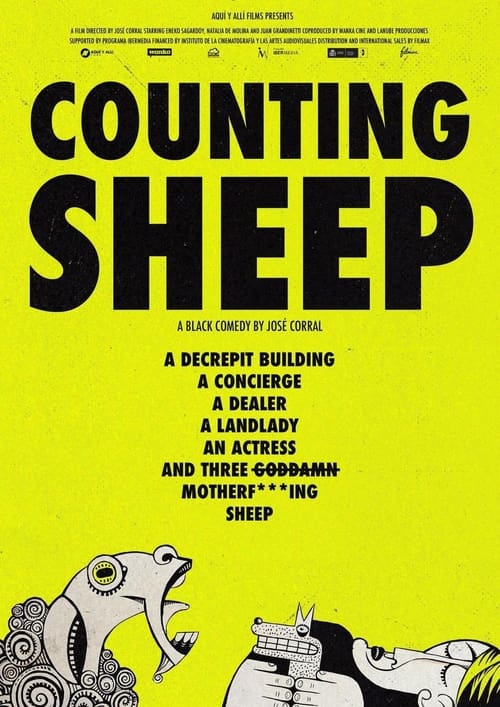
Counting Sheep is a surrealist black comedy that prioritizes psychological depth over demographic variety. The narrative explores the fragmentation of a lonely protagonist through a dreamlike, nightmare-infused lens. While the film lacks visible representation of LGBTQ+ identities or diverse racial backgrounds, it succeeds in subverting traditional character archetypes. The focus remains on the protagonist's internal instability and moral ambiguity. Ultimately, the film offers a moderate level of progressive engagement by disrupting narrative comfort and exploring neurodivergent themes through its unique, unclassifiable storytelling style.
Category Breakdown
The film does not show explicit LGBTQ+ identities or same-sex intimacy. Instead, it focuses on the protagonist's internal thoughts and surreal experiences.
Featuring prominent female performers, the story centers on Ernesto's social alienation. Black comedy elements suggest a subversion of the traditional, stable male lead.
Set in 1993 Spain, the film maintains a localized, customs-based atmosphere. There is no evidence of significant racial blending or a non-Anglo-Saxon majority cast.
The film embraces moral relativism and challenges conventional social structures. It uses surrealist elements to critique traditional Western ideals of order and prosperity.
The story explores mental health struggles through Ernesto's insomnia and social isolation. His hallucinatory sheep represent externalized manifestations of his internal psyche.
Present on Screen
Limited or Absent
Official Synopsis
Ernesto is unappreciated by those around him, but all of that will change when three, peculiar, new friends appear on the scene. They will do anything to help him get his self-esteem back, even if it leads him to prison... or an early grave.
2019

2009

2021

2004

2022

2018
2017

2008
No reviews yet. Be the first to share your thoughts on this movie!
Use the rating form above to leave a star rating and optional review.