Riding High
1981
No user ratings available yet
Representation score: 2.0 out of 10
Representation Score
Minimal
1972
RDirector
Vernon Zimmerman
Runtime
88 minutes
Average Rating
No ratings yetNew Showbiz Analysis
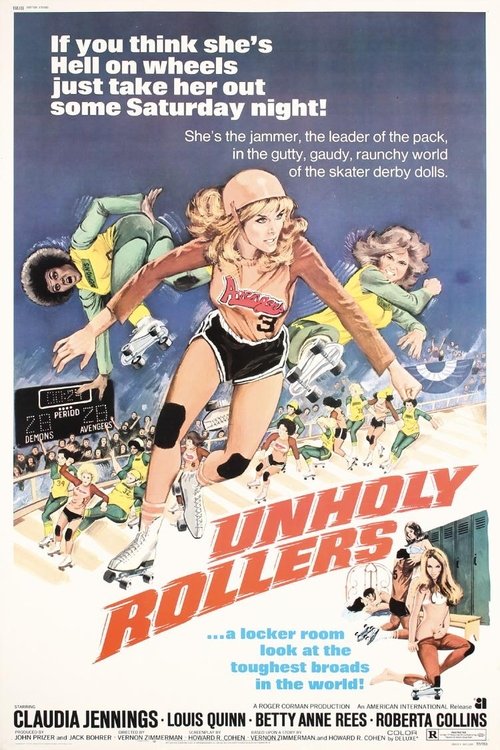
The Unholy Rollers is a period-specific exploitation film that emphasizes genre clichés over social critique. While the protagonist shows individualistic defiance against workplace hierarchies, the film’s scope remains narrow. The narrative lacks complexity, failing to include diverse racial, LGBTQ+, or disabled characters. It primarily explores subcultural rebellion and personal ambition within a homogeneous social context. Overall, the film adheres to the demographic and thematic conventions of 1972, offering little disruption to established social or identity-based frameworks.
Category Breakdown
The film does not include any LGBTQ+ characters or non-cisgender identities. It stays within the traditional social structures of the early 1970s.
Female characters play a moderate role in driving the story through the protagonist's pursuit of professional success. However, conflicts often revolve around personal jealousy rather than challenging patriarchal power.
The film lacks significant racial diversity among its main cast. The narrative operates within a homogeneous social framework without incorporating diverse backgrounds.
The story examines themes of anti-social behavior and rebellion against authority. These themes are presented as genre clichés rather than critiques of systemic oppression.
There are no characters with visible or invisible disabilities in the film. Disability is not used as a central theme or character development element.
Present on Screen
Limited or Absent
Official Synopsis
Karen wants more action out of life and quits her job at the cannery to become a skater in the roller derby. She encounters friction from the other skaters - especially Mickey, the current number one star of the team. Karen proves herself a feisty competitor but refuses to be a team player. As she skates her way to roller stardom, she incurs the wrath of jealous team members and the owner of the team.
1981
1969

1970
1998
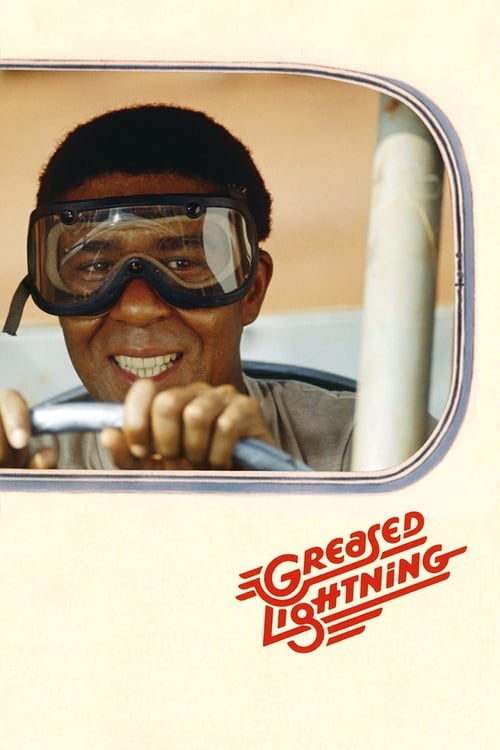
1977
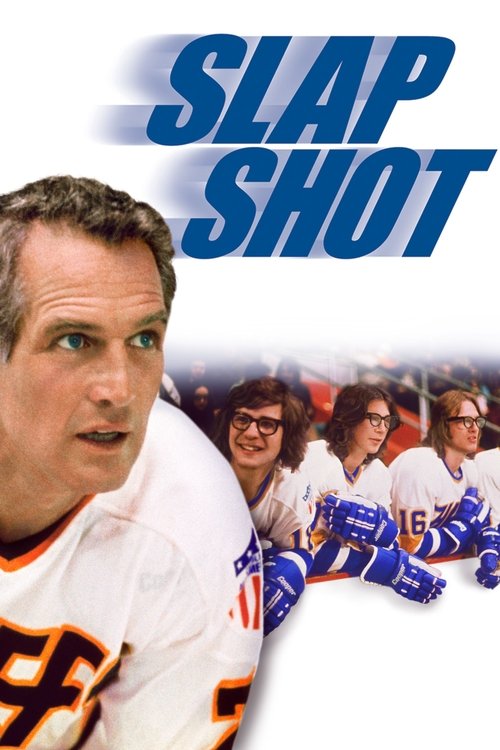
1977
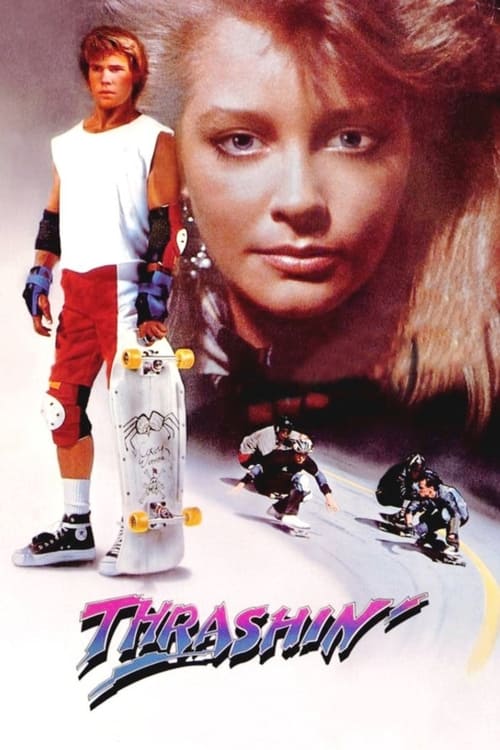
1986
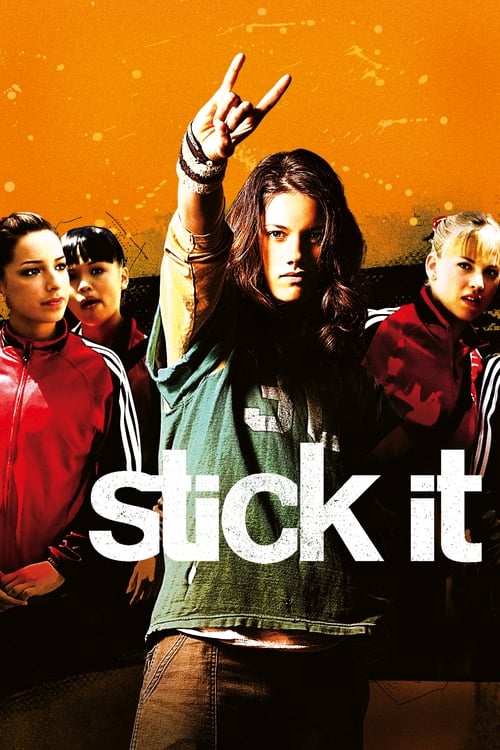
2006
No reviews yet. Be the first to share your thoughts on this movie!
Use the rating form above to leave a star rating and optional review.