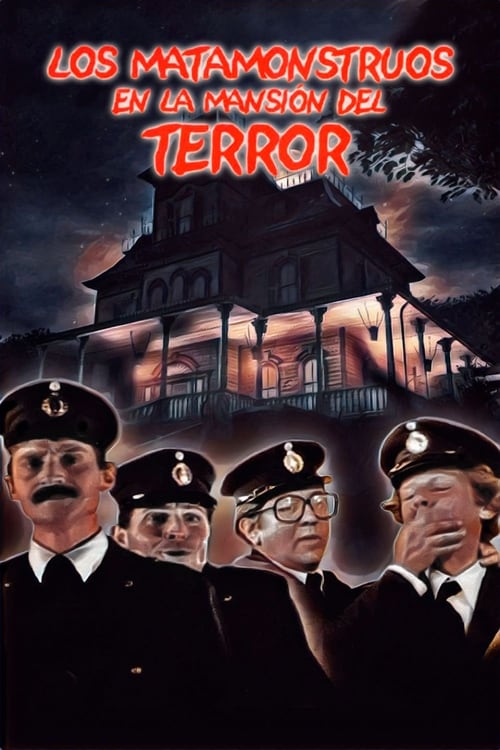
The Monster Kills in the Mansion of Terror
1987
No user ratings available yet
Representation score: 2.5 out of 10
Representation Score
Minimal
1987
PGDirector
Lee Madden, Alan Smithee
Runtime
93 minutes
Average Rating
No ratings yetNew Showbiz Analysis
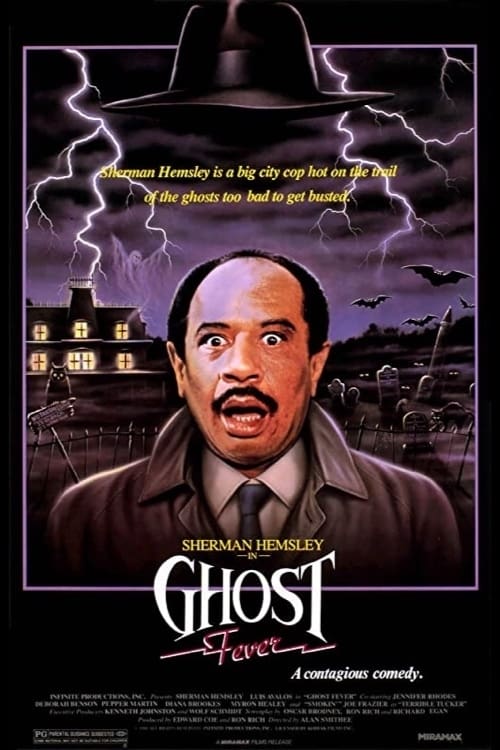
Ghost Fever follows a typical 1980s horror-comedy format, focusing on two policemen dealing with supernatural events. The film heavily relies on traditional authority and masculine roles, offering little in terms of diverse character perspectives or social complexity. The absence of representation across racial, gender, and LGBTQ+ categories indicates a narrative that adheres strictly to the homogeneous clichés of its time. The focus remains on a routine procedural setup rather than exploring identity or systemic critiques. Additionally, the use of the Alan Smithee pseudonym suggests a fractured creative process. This lack of cohesive directorial intent likely results in the film's reliance on safe, conventional genre clichés instead of progressive storytelling.
Category Breakdown
The film does not feature any LGBTQ+ characters or stories about non-cisgender identities. The plot revolves around law enforcement handling supernatural cases.
The story centers on two male police officers, relying on traditional masculine roles of authority. There is little evidence of challenging traditional gender hierarchies.
The film does not show any diverse cast or characters of color with significant roles. The setting implies a homogeneous society.
The film operates within a traditional framework of authority and property rights, lacking any critique of Western institutions or systemic power structures.
The film does not mention any characters dealing with physical, sensory, or neurodivergent conditions. The supernatural premise does not address disability issues.
Present on Screen
Limited or Absent
Official Synopsis
Two policeman are sent on a routine assignment to serve an eviction notice. It becomes anything but run-of-the-mill when they become involved in the ghostly happenings.
1987
1966
1999
1988
2014

1996

1989
2023
No reviews yet. Be the first to share your thoughts on this movie!
Use the rating form above to leave a star rating and optional review.