Colony
2026
No user ratings available yet
Representation score: 3.4 out of 10
Representation Score
Fair
2020
TV-MADirector
Cho Il
Runtime
98 minutes
Average Rating
No ratings yetNew Showbiz Analysis
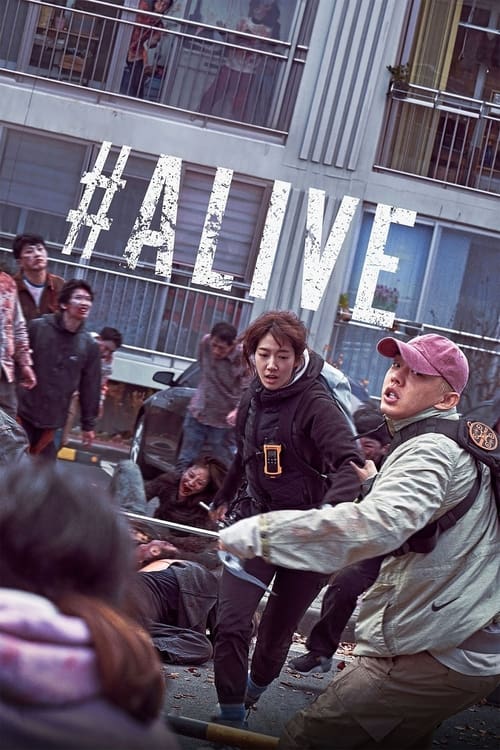
The film #Alive is a survival horror that emphasizes tension and the breakdown of domestic safety over issues of identity. It serves as a critique of modern urban living within a specific cultural context. While the film lacks diverse representation, it provides a subtle social commentary through its narrative. The story shifts the focus of ability to act from failed institutions to individuals, highlighting the film's critique of modern capitalist infrastructure.
Category Breakdown
The film does not include any LGBTQ+ characters or non-straight relationships. The story centers on the survival of the two main characters.
The film features two main characters, one male and one female, who are both shown to be equally skilled in surviving the crisis.
The cast is made up of actors from a similar ethnic background, reflecting the South Korean setting. The film does not include a diverse range of ethnicities.
The story critiques modern urban life by depicting the apartment complex as a confining space. It highlights the fragility of societal bonds when institutions fail.
The film does not feature any characters with disabilities, either physical or cognitive. Any physical limitations arise from the virus itself.
Present on Screen
Limited or Absent
Official Synopsis
As a grisly virus rampages a city, a lone man stays locked inside his apartment, digitally cut off from seeking help and desperate to find a way out.
2026

2019

2020

2022

2016

2008

2020
2015
No reviews yet. Be the first to share your thoughts on this movie!
Use the rating form above to leave a star rating and optional review.