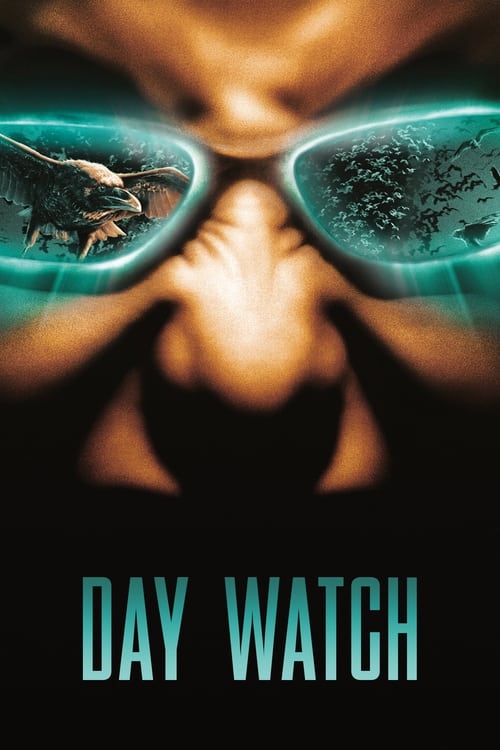
Day Watch
2006
No user ratings available yet
Representation score: 4.5 out of 10

Representation Score
Fair
2004
RDirector
Timur Bekmambetov
Runtime
114 minutes
Average Rating
No ratings yetNew Showbiz Analysis
Night Watch is a genre-driven film that prioritizes philosophical ambiguity over demographic diversity. It succeeds in challenging moral absolutes, presenting a complex view of systemic balance between opposing forces. However, the film remains traditional in its social structure, relying on conventional romantic structures and a homogeneous cast that reflects its specific cultural setting.
Category Breakdown
The story focuses on heterosexual romantic tensions between Anton and Svetlana. There are no LGBTQ+ characters or non-conforming gender identities in the film.
Svetlana plays a significant role in the supernatural events, rivaling the male protagonist. However, the plot is still driven by the romantic connection between the male and female leads.
The cast is primarily made up of people from the local Moscow area. The film focuses on a localized urban fantasy without much diversity in ethnicity.
The film presents a nuanced view of morality by showing Light and Dark as competing, manipulative factions. This approach avoids simple good versus evil binaries.
Supernatural abilities are used as metaphors for difference but are not portrayed as disabilities or neurodivergence. There is no significant depiction of lived disability or neurodivergence.
Present on Screen
Limited or Absent
Official Synopsis
Among normal humans live the "Others" possessing various supernatural powers. They are divided up into the forces of light and the forces of the dark, who signed a truce several centuries ago to end a devastating battle. Ever since, the forces of light govern the day while the night belongs to their dark opponents. In modern day Moscow the dark Others actually roam the night as vampires while a "Night Watch" of light forces, among them Anton, the movie's protagonist, try to control them and limit their outrage
2006
2006
2001
2007
2011

2000
2016
1992
No reviews yet. Be the first to share your thoughts on this movie!
Use the rating form above to leave a star rating and optional review.