
Hideous Kinky
1999
No user ratings available yet
Representation score: 6.7 out of 10

Representation Score
Limited
1991
PGDirector
Mike Newell
Runtime
95 minutes
Average Rating
No ratings yetNew Showbiz Analysis
Enchanted April is a character-driven film set in a specific historical context. It empowers its female characters by allowing them to challenge the era's gendered expectations through emotional self-governance. However, the film lacks diversity. It remains confined to a traditional demographic, offering limited representation of race or LGBTQ+ identities. Overall, the film is progressive in its portrayal of gendered autonomy but falls short in its cultural scope and demographic variety.
Category Breakdown
The film focuses on heterosexual relationships and traditional marriages. It does not depict non-cisgender identities or same-sex intimacy.
Female characters play a significant role in driving the story by choosing personal freedom over domestic duties. The story challenges traditional gender roles by emphasizing psychological liberation over submission.
The cast is predominantly white and reflects the British upper-middle class of the 1920s. There is a lack of racial or ethnic diversity among the main characters.
The story critiques restrictive class structures and domestic responsibilities. It portrays the characters' journey as an individualistic quest for well-being.
There are no significant depictions of visible or invisible disabilities. No characters with disabilities play central roles in the plot.
Present on Screen
Limited or Absent
Official Synopsis
When married British women Rose Arbuthnot and Lottie Wilkins decide to take a break from their respective spouses, they stay at a castle in Italy for a quiet holiday. Joining the ladies is Caroline Dester, a young socialite, and Mrs. Fisher, an older aristocrat. Liberated from their daily routines, the four women ease into life in rural Italy, and each finds herself transformed by the experience.
1999
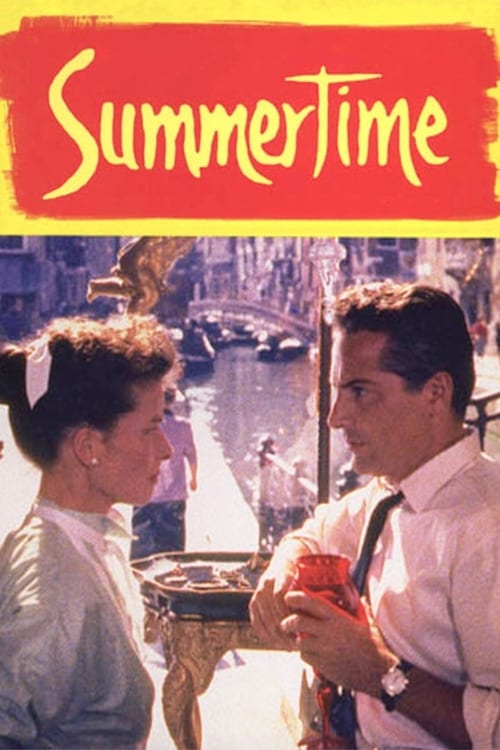
1955
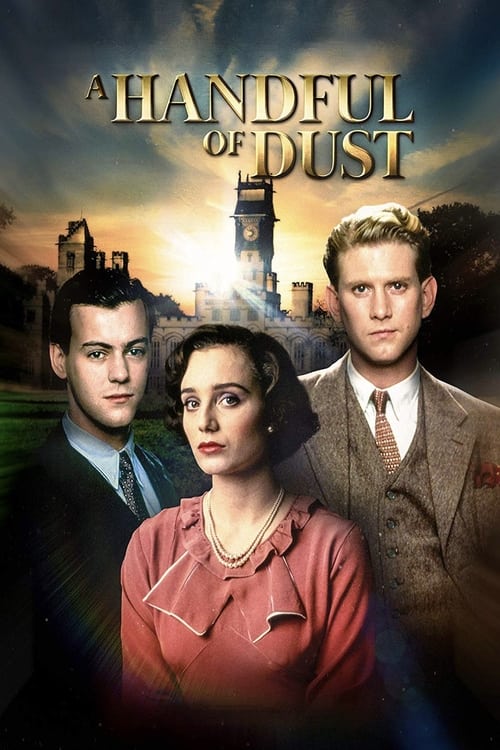
1988
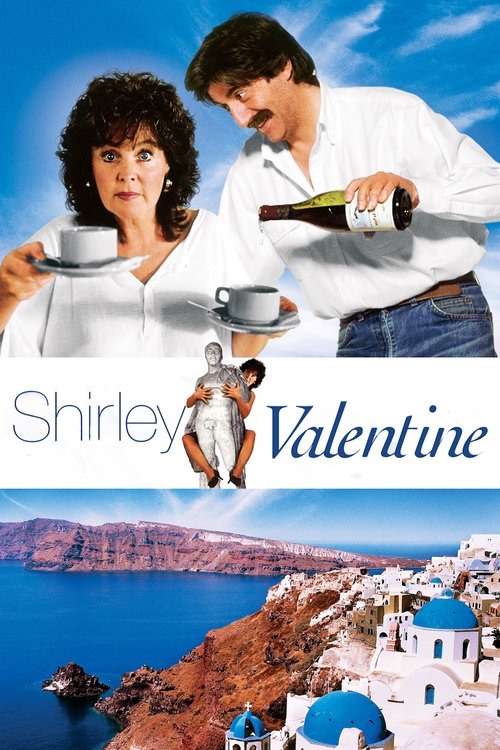
1989
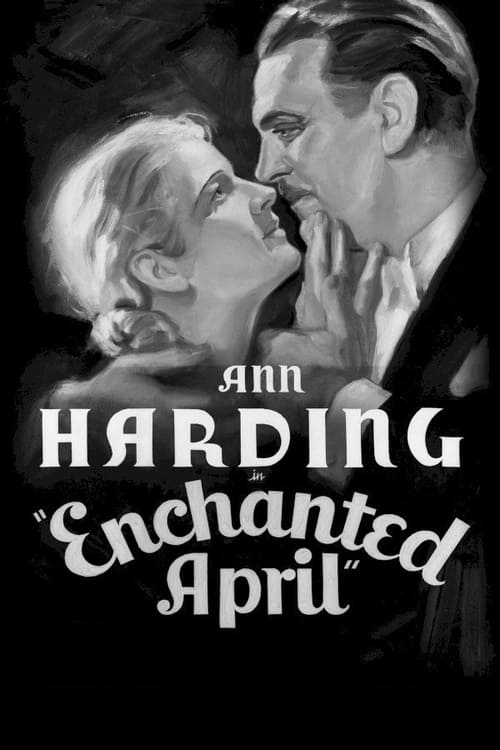
1935
1996

2006

1986
No reviews yet. Be the first to share your thoughts on this movie!
Use the rating form above to leave a star rating and optional review.