Continental Circus
1972
No user ratings available yet
Representation score: 1.1 out of 10

Representation Score
Fair
1960
Director
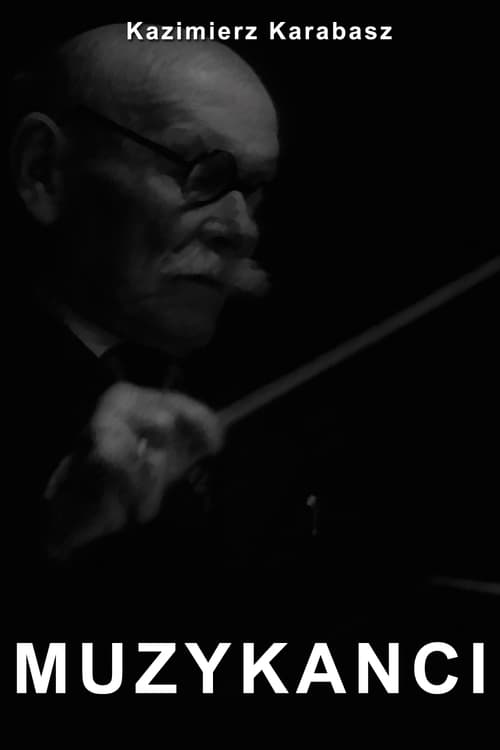
Kazimierz Karabasz
Runtime
10 minutes
Average Rating
No ratings yetNew Showbiz Analysis
Kazimierz Karabasz’s documentary provides a raw, unmediated look at the itinerant lives of circus performers in 1960s Poland. By using a cinéma vérité approach, the film avoids polished narrative structures to focus on the collective movement of a underrepresented social stratum. The work excels at presenting the subjects as complex social units rather than mere spectacles. While it does not engage with modern identity politics, its observational realism offers a nuanced study of human ability to act within a transient lifestyle. Ultimately, the film's value lies in its refusal to impose a moralizing lens on the performers, instead highlighting a form of situational morality and communal interdependence that exists outside of settled societal norms.
Category Breakdown
The film focuses on the logistical and social realities of circus life. There is no exploration of LGBTQ+ identities or stories involving sexual orientation.
Women are shown in active, functional roles within the circus ecosystem. However, the depiction largely adheres to the era's social norms rather than challenging traditional gender roles.
The film depicts a largely homogeneous population reflective of its Polish setting. Diversity is found primarily in the socioeconomic distinction between settled people and itinerant outsiders.
The narrative centers on a nomadic community that challenges traditional domesticity. It emphasizes communal interdependence and a lifestyle existing outside mainstream institutional frameworks.
The documentary captures the physical realities and bodily toll of manual labor. It portrays the vulnerability of the human condition without the sanitization of studio productions.
Present on Screen
Limited or Absent
Official Synopsis
A portrait of a traveling circus.
1972
1999

1902

2008
1960
1900

1946

2013
No reviews yet. Be the first to share your thoughts on this movie!
Use the rating form above to leave a star rating and optional review.