Remember the Daze
2008
No user ratings available yet
Representation score: 3.8 out of 10
Representation Score
Fair
2006
RDirector
Michael T. Fitzgerald Jr.
Runtime
89 minutes
Average Rating
No ratings yetNew Showbiz Analysis
The film presents a predominantly Black high school graduating class navigating the chaos of their final year. It centers on specific cultural experiences, with women holding visible authority in the school administration. However, the narrative relies on conventional gender dynamics, particularly in how female bodies are presented during the celebration. The story treats the school environment as a contested space, marked by harassment and the need for tolerance, rather than a purely supportive institution. While the cast reflects a specific demographic reality, the plot remains focused on individual social conflicts rather than broader systemic critiques. There is no representation of LGBTQ+ identities or disability. The film’s cultural lens is narrow, focusing on the immediate social pressures of graduation and peer relationships. It offers a specific, grounded view of Black American youth culture without venturing into broader political or social commentary.
Category Breakdown
No LGBTQ+ characters, same-sex romance, or queer identity appear in the credits, synopsis, or keywords. The narrative focuses on heterosexual dynamics and general high school social conflicts.
Women appear in leadership roles, such as Principal Wheeler, but the cast list is heavily male-dominated. The synopsis highlights hormones and lap dancing, framing female bodies largely as objects of male consumption rather than autonomous agents.
The cast is predominantly Black, featuring actors like Coolio, Sam Sarpong, and Kamau Holloway in central roles. The setting is Crispus Attucks High School, a historically Black institution, ensuring the story is told from a specific cultural perspective rather than a default white one.
The film centers on a high school graduation, a traditional rite of passage, but treats the surrounding institutions with skepticism. Keywords like harassment and tolerance suggest the school environment is a site of conflict rather than a source of moral stability or honor.
No characters with disabilities are identified in the cast, synopsis, or keywords. The narrative does not address disability as a social, medical, or personal experience, nor does it feature temporary injuries as plot devices.
Present on Screen
Limited or Absent
Official Synopsis
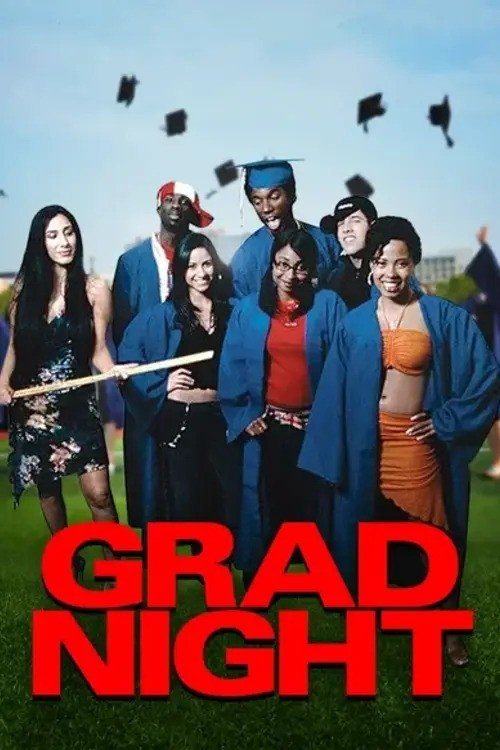
A group of friends celebrates their graduation from Crispus Attucks High School with a jammin' party. It's hormones on overdrive, recreational drugs and lap dancing galore as the Class of 2005 goes out in style.
2008
1995

2000
1999

2009
1998

2011
2011
No reviews yet. Be the first to share your thoughts on this movie!
Use the rating form above to leave a star rating and optional review.