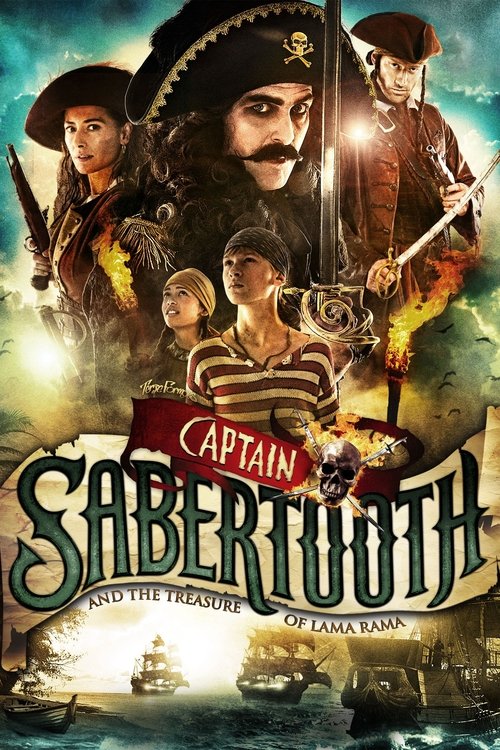
Captain Sabertooth and the Treasure of Lama Rama
2014
No user ratings available yet
Representation score: 3.9 out of 10

Representation Score
Limited
2022
Average Rating
No ratings yetNew Showbiz Analysis
Baby Boy of House demonstrates a basic level of demographic diversity mainly through its casting choices. The presence of names indicating a non-Anglo-Saxon majority suggests a shift away from traditional Hollywood norms. However, the film lacks depth in terms of specific character roles or identity-focused storylines. Without clear narrative details, it is challenging to determine if the film intentionally challenges traditional hierarchies or explores particular social identities. Ultimately, while the casting hints at a diverse perspective, the lack of documented representation for LGBTQ+ or disability communities keeps the overall score moderate.
Category Breakdown
The film does not include any characters with LGBTQ+ identities or non-cisgender roles. While the noir genre often delves into identity, there are no specific depictions of same-sex relationships.
The use of diverse names in the cast suggests a departure from traditional homogeneous casting. However, without detailed character descriptions, it is hard to assess the roles and influence of gendered characters.
The top-billed cast indicates a majority that is not Anglo-Saxon. Names such as Anzor Alem and Tchuba Dimalo suggest a narrative focused on diverse ethnic perspectives and non-Western casting norms.
Elements like 'cinema on cinema' hint at a complex narrative structure. However, there is no specific evidence showing the portrayal of religious traditions or Western institutions.
There is no information about characters with visible or invisible disabilities. The casting of actors with disabilities is not documented.
Present on Screen
Limited or Absent
2014

2018
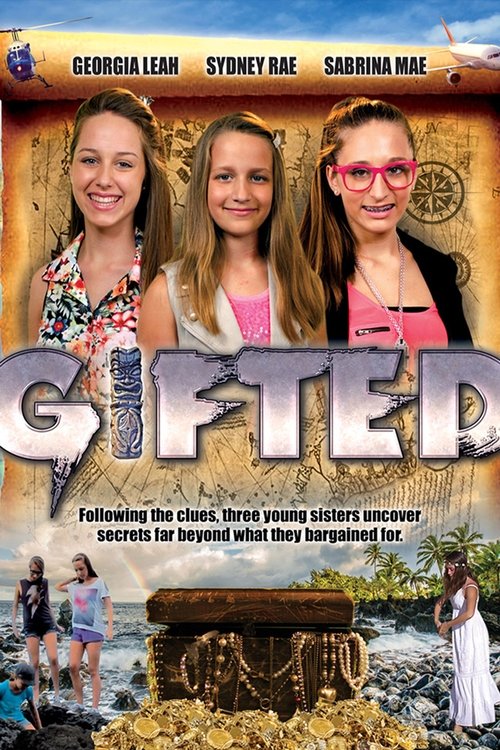
2015
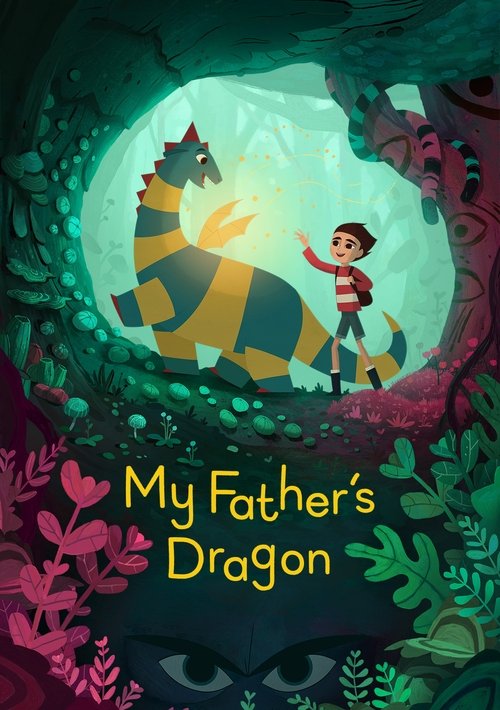
2022
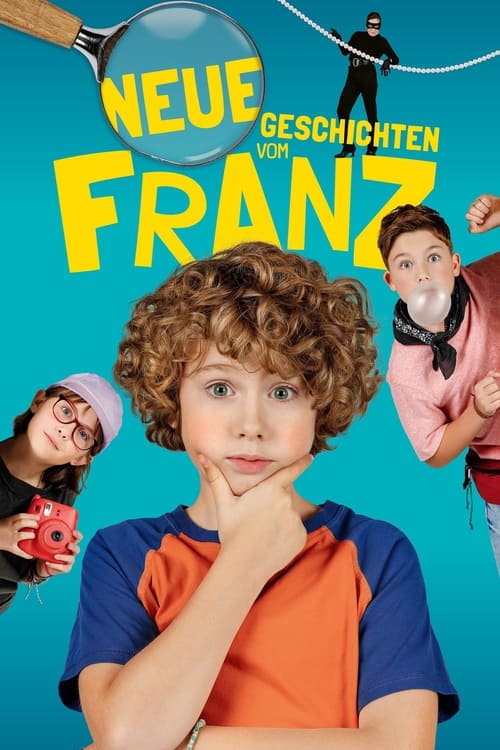
2023

2005

2020

2018
No reviews yet. Be the first to share your thoughts on this movie!
Use the rating form above to leave a star rating and optional review.