
Całe szczęście
2019
No user ratings available yet
Representation score: 3.8 out of 10

Representation Score
Fair
2015
Not RatedDirector
Tomasz Mielnik
Runtime
100 minutes
Average Rating
No ratings yetNew Showbiz Analysis
Journey to Rome is a character-driven heist comedy that explores the fluidity of morality. The film successfully challenges traditional gender roles, moving away from passive female archetypes to more strategic, driving roles. However, the narrative remains within traditional romantic and conventions that assume everyone is straight. While the diverse passenger list provides social breadth, the film lacks significant engagement with multi-layered identities or queer representation. Ultimately, the film's strength lies in its questioning of institutional norms and its focus on individual ability to act rather than rigid social hierarchies.
Category Breakdown
The film focuses on a heterosexual romantic storyline. Ginger plays a key role in the protagonist's change, but there is no significant evidence of queer subtext or non-traditional gender identities.
Ginger challenges traditional gender roles by dictating the protagonist's path as a femme fatale. This shifts the narrative away from passive female characters to more strategic ones.
The confined transit space showcases a variety of life stories. Centered in European comedic traditions, it still offers a mix of ethnic and social backgrounds through its passengers.
The story delves into personal morality and skepticism towards traditional authority. It emphasizes individual ability to act and situational ethics over strict rules and institutional integrity.
There is no evidence available to assess the portrayal of physical or neurodivergent disabilities.
Present on Screen
Limited or Absent
Official Synopsis
Vašek learns that he is dying, so he steals a painting and goes to Rome to sell it – he needs money for a healer. Sitting on a train with a fake mustache on his face, he has no idea that he has, in fact, been sent on a spiritual quest of his life by a beautiful girl. His pursuers look as if they were transported from a 1970’s movie, yet his attention is constantly drawn to the other passengers, who pull him into their own stories with no mercy. Vašek slowly gets lost in a colorful chaos of other people’s destinies, opinions and his own dreams. In the end, his train will take some of them to hell, others to enlightenment or a bizarre epiphany. The film takes a humorous view on all the basic philosophical questions we have heard so many times but that we have yet to find the answers to.
2019

2017

2022

1998

2022
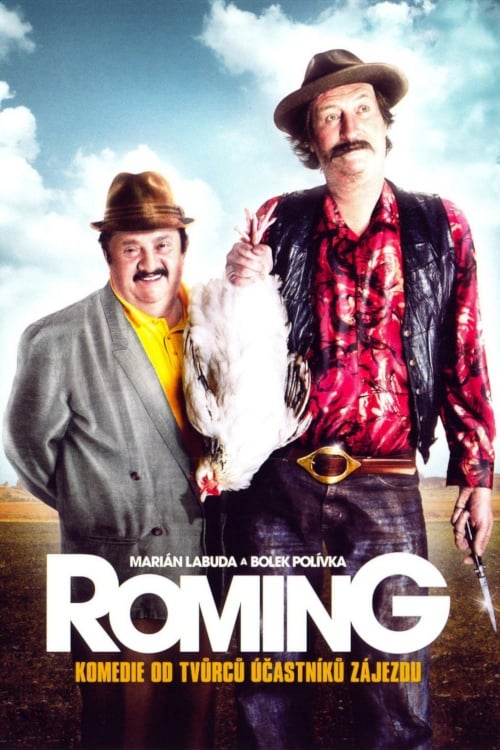
2007

1997
2011
No reviews yet. Be the first to share your thoughts on this movie!
Use the rating form above to leave a star rating and optional review.