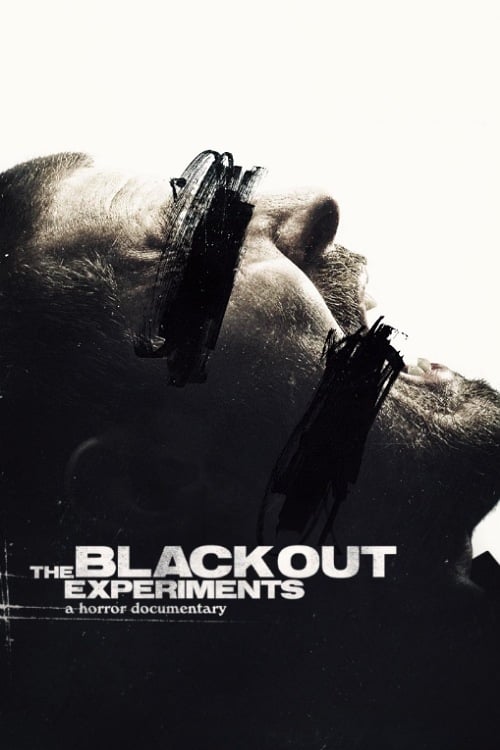
The Blackout Experiments
2016
No user ratings available yet
Diversity score: 4.4 out of 10
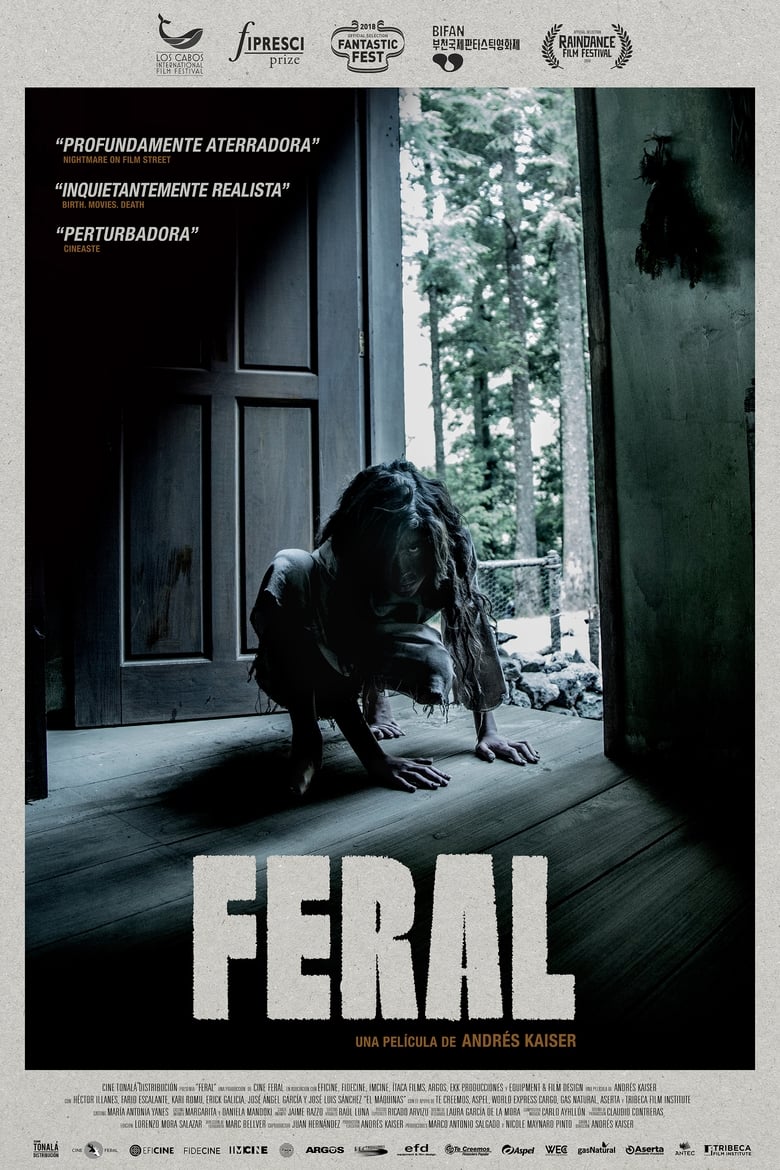
2021
Director
Andrés Kaiser
Runtime
97 minutes
Average Rating
No ratings yetSynopsis
The mountains of Oaxaca harbor the remains of a ravaged and burnt shelter, once home to a psychoanalyst priest who used it to look after savage children, trying to re-integrate them into society. Through videotape diaries and interviews, the truth of what happened is shockingly revealed.
Overall Score
Fair
Category Breakdown
LGBTQ+ Representation
The film lacks explicit confirmation of LGBTQ+ characters or non-heteronormative identities. The narrative focus remains centered on the psychological states of the children and the priest's actions.
Gender Representation
The story disrupts traditional gendered hierarchies by centering on the failure of a male authority figure. It challenges the trope of the stable, paternalistic protector by framing the priest as a source of dysfunction.
Racial & Ethnic Diversity
Set in the mountains of Oaxaca, the film provides a significant Mexican cultural backdrop. This localized, non-Western context moves the lens away from typical Anglo-centric perspectives.
Religious & Cultural Diversity
The film offers a strong critique of traditional religious-led social institutions. It deconstructs the perceived sanctity of religious authority by portraying a priest as a source of systemic failure.
Disability Representation
The focus on 'savage children' suggests an engagement with neurodivergence and psychological trauma. However, it remains unclear if these characters are granted agency or depicted primarily as victims of neglect.
Strengths
Areas for Improvement
AI Analysis
Feral functions as a sharp critique of traditional social and religious hierarchies. By utilizing a documentary-horror framework, it examines the intersection of religious authority and psychological trauma through the lens of institutional failure. The film's strength lies in its cultural setting and its willingness to deconstruct established moral authorities. It moves away from Western-centric narratives by grounding the story in the specific landscape of Oaxaca. While the film engages with complex themes of mental health and systemic dysfunction, it lacks explicit representation of LGBTQ+ identities. The narrative primarily explores the breakdown of paternalistic structures rather than identity-based explorations.
No reviews yet. Be the first to share your thoughts on this movie!
Use the rating form above to leave a star rating and optional review.