
Uncaged
1991
No user ratings available yet
Representation score: 3.2 out of 10
Representation Score
Good
1992
RDirector
Marc Rocco
Runtime
104 minutes
Average Rating
No ratings yetNew Showbiz Analysis
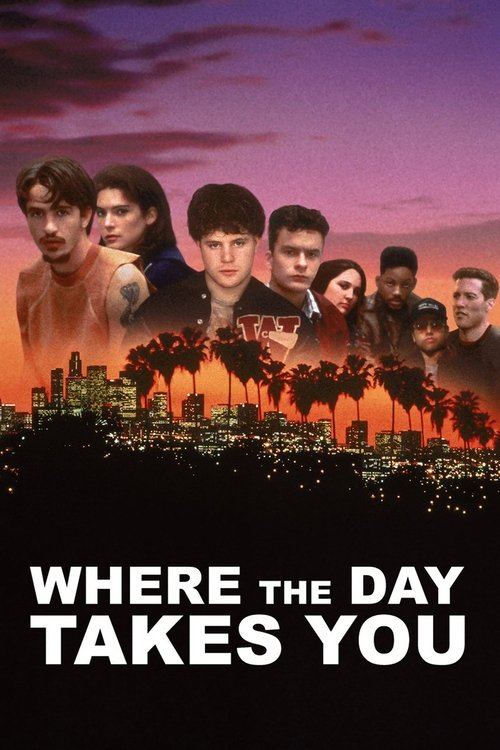
Where the Day Takes You captures a gritty slice of early 90s urban drama. It stands out by avoiding simplistic portrayals, especially in integrating queer identities within the street life hierarchy. The film effectively critiques the breakdown of traditional support systems, positioning the characters' actions as reactions to systemic neglect rather than inherent criminal behavior. This offers a sophisticated view of socio-economic struggles. However, the narrative remains tied to conventional genre structures. Female characters play secondary roles to male-driven plots, and the depiction of substance use disorders leans towards familiar cautionary tales.
Category Breakdown
The film includes Little J, a gay hustler, who becomes part of the core group of runaways. This inclusion provides a detailed look at how queer identity intersects with urban instability.
Heather plays a key role in disrupting the group's dynamics, but the story focuses mainly on conflicts driven by male characters. Her role is more about shaking up the existing male-dominated structure.
Set in Los Angeles, the film showcases a diverse urban community. While it avoids presenting a homogeneous picture, it lacks strong examples of characters of color taking leading roles in critiquing systemic issues.
The story highlights the failure of traditional support systems by showing them as absent or ineffective. It questions the idealized family unit through the lens of survival and systemic neglect.
Greg introduces themes of substance use disorder and its impact on personal ability to act. However, the portrayal may rely on the 'troubled youth' stereotype without delving deeper into the issue.
Present on Screen
Limited or Absent
Official Synopsis
King is a young man, but he's already a veteran of life on the streets of Los Angeles. The de facto leader of a group of teenage runaways, King acts as a mentor to troubled kids such as gay hustler Little J and junkie Greg. When Heather, a beautiful girl from Chicago, starts hanging out with King and his crew, it changes the dynamic of the gang. However, it seems as though nothing will alter their dangerous lifestyle.
1991
1983

1999

1988
1986
1992
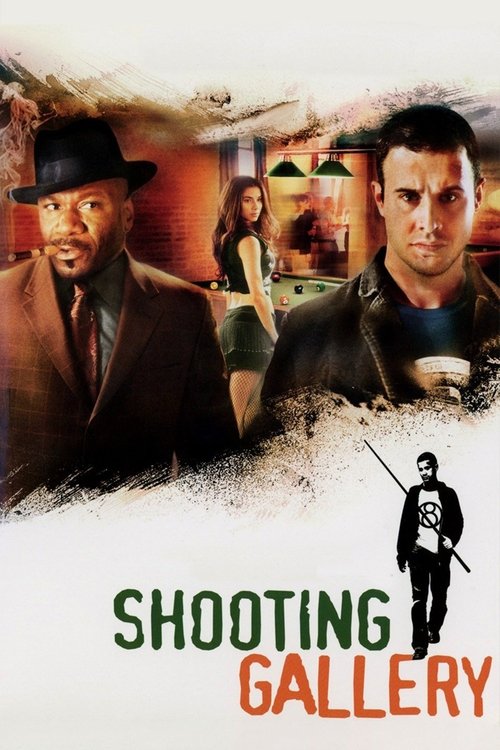
2005

2001
No reviews yet. Be the first to share your thoughts on this movie!
Use the rating form above to leave a star rating and optional review.