
Sauvage
2018
No user ratings available yet
Representation score: 8.8 out of 10

Representation Score
Fair
2013
Director
Yolande Moreau
Runtime
103 minutes
Average Rating
No ratings yetNew Showbiz Analysis
Henri is a quiet, humanist character study that finds its greatest strength in its respectful portrayal of neurodivergence. By centering a man with a developmental disability, the film grants him a complex internal life and genuine ability to act. However, the film is constrained by its historical setting. The lack of racial and LGBTQ+ diversity reflects the demographic homogeneity of a 19th-century rural European village, offering little in the way of modern social subversion. Ultimately, the film succeeds as a study of human dignity outside of economic utility, even if it remains tethered to traditional gender roles and period-specific social structures.
Category Breakdown
The film does not include explicit LGBTQ+ identities or relationships. It focuses on the unrequited connection between Henri and Rosette, following the social norms of the time without any queer-coded subtext.
Rosette is given ability to act through her pursuit of emotional fulfillment, but the film primarily adheres to 19th-century gender roles. It passes the Bechdel test but does not challenge traditional archetypes.
The setting reflects the demographic homogeneity of a 19th-century European village. There is no evidence of intentional racial blending or color-blind casting within this localized historical context.
The story emphasizes individual dignity and the beauty of everyday life over religious dogma. Religious institutions exist in the background but do not serve as the narrative's moral compass.
The film excels by centering on Henri, a man with a developmental disability. It avoids clichés like 'inspiration porn' and offers a nuanced, complex look at his internal world and ability to act.
Present on Screen
Limited or Absent
Official Synopsis
The meeting of two lonely, marginal souls. There is Henri, a man in his 50s, limp, resigned, somewhat alcoholic. And Rosette, a woman who dreams of love, sexuality, normality
2018
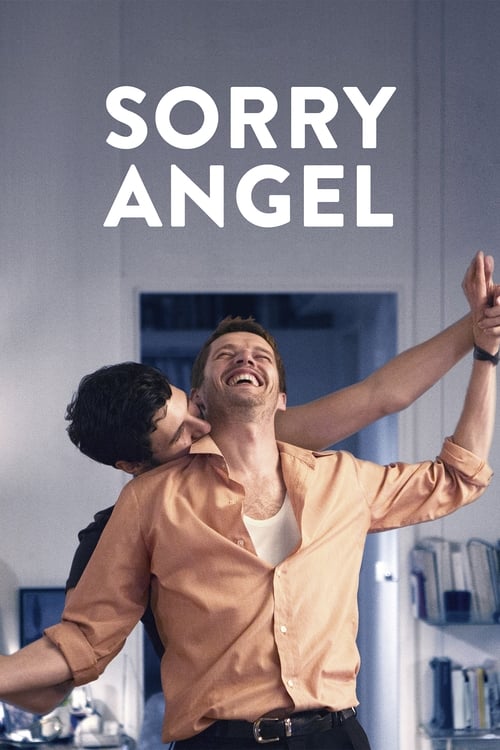
2018

2017
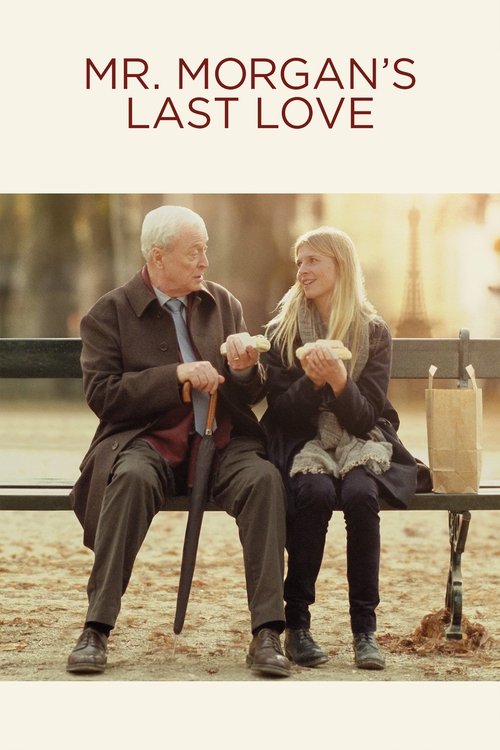
2013
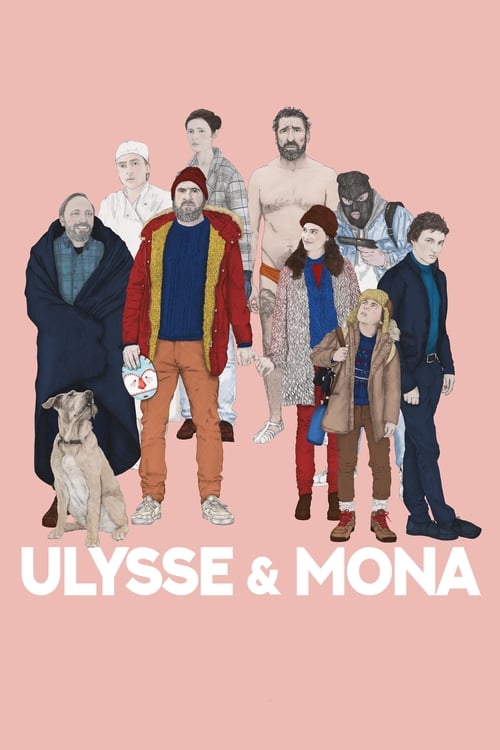
2018
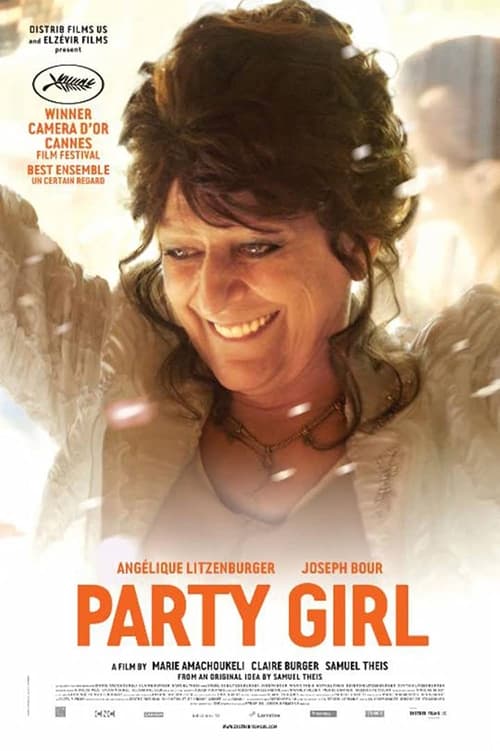
2014

2007
1996
No reviews yet. Be the first to share your thoughts on this movie!
Use the rating form above to leave a star rating and optional review.