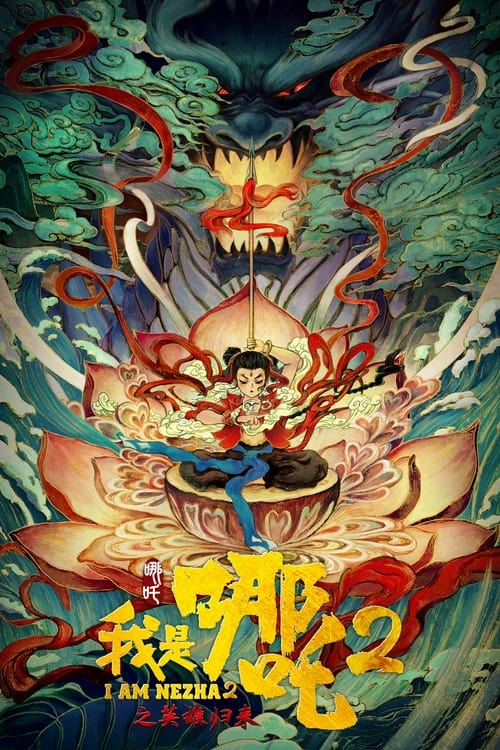
I Am Nezha 2
2023
No user ratings available yet
Representation score: 2.4 out of 10
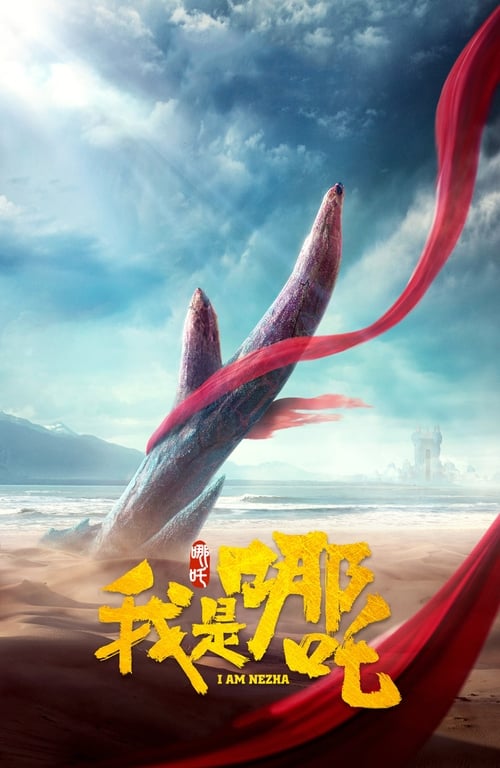
Representation Score
Fair
2016
Director
Zhan Shu
Runtime
83 minutes
Average Rating
No ratings yetNew Showbiz Analysis
I Am Nezha is a mythological reimagining that prioritizes individual choice over predestination. It uses the classic Nezha mythos to explore the tension between inherent nature and systemic expectations imposed by celestial authorities. The film's strength lies in its narrative structure, which validates the 'outsider' identity. By framing the protagonist's struggle as a fight against an unjust destiny, the film aligns with progressive storytelling patterns that challenge established authority. While the film lacks LGBTQ+ representation, it provides depth through its metaphorical treatment of social stigma and its nuanced portrayal of familial roles.
Category Breakdown
The film does not include any LGBTQ+ characters or relationships that go beyond the assumption that everyone is straight. The story focuses solely on familial bonds and the protagonist's conflict with cosmic forces.
The narrative challenges traditional archetypes by highlighting the emotional intelligence and significant role of parental figures. It shifts away from a rigid patriarchal structure toward an empathetic, relational model of family leadership.
The film offers a strong depiction of East Asian identity through its Taoist-inspired mythology and character designs. It centers a non-Western hero within a culturally specific landscape.
The story excels by framing conflict as a rebellion against an unjust, predetermined fate. This mirrors contemporary themes of challenging systemic oppression and institutionalized structures.
Nezha's 'demonic nature' serves as a metaphor for neurodivergence or stigmatized conditions. The narrative gives this 'otherness' a significant role in driving the story as the protagonist navigates a world that views him as a threat.
Present on Screen
Limited or Absent
2023
2021
2016
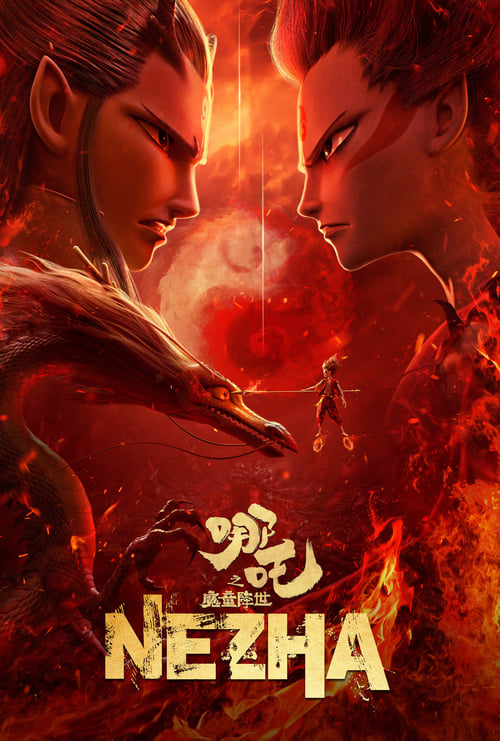
2019
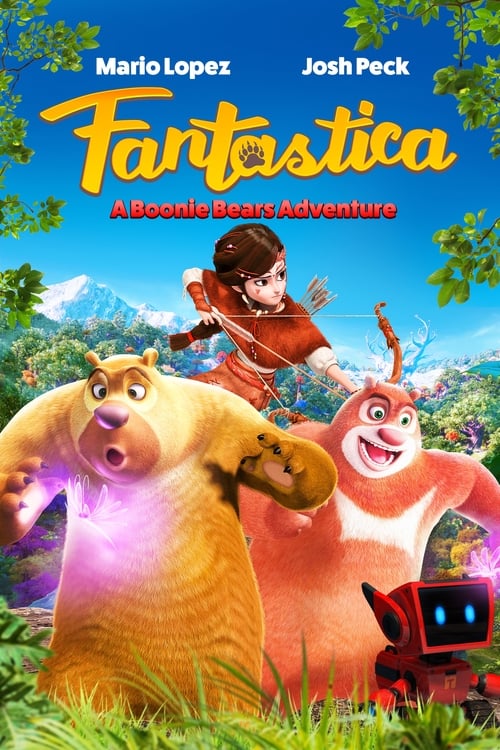
2017
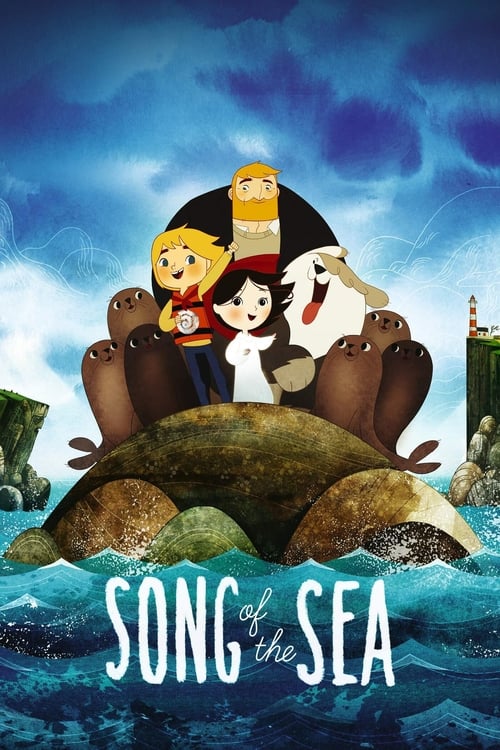
2014
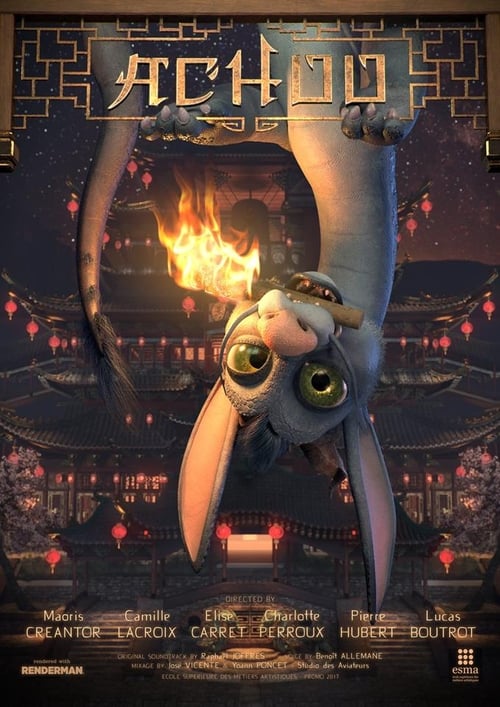
2017
2020
No reviews yet. Be the first to share your thoughts on this movie!
Use the rating form above to leave a star rating and optional review.