
Seeking Asian Female
2012
No user ratings available yet
Representation score: 6.4 out of 10
Representation Score
Limited
1995
Director
Ulrich Seidl
Runtime
60 minutes
Average Rating
No ratings yetNew Showbiz Analysis
Ulrich Seidl’s documentary serves as a clinical sociological study into the intersection of gendered expectations and transnational domesticity. It examines the motivations of Austrian men seeking traditional domestic structures in Thailand and the Philippines. The film’s low score is due to its reinforcement of patriarchal hierarchies. While it offers a platform to observe these dynamics, it emphasizes a framework where masculinity is defined by dominance and femininity by passivity. The work critiques traditionalism through exposure, deconstructing the motivations behind these choices without promoting multi-layered empowerment.
Category Breakdown
The film does not include any LGBTQ+ identities or narratives. It focuses solely on heterosexual relationships between Austrian men and women from Thailand and the Philippines.
Gender dynamics are explored through power imbalances. The film highlights men seeking partners who take on traditional, passive roles to avoid conflict.
The film showcases significant racial diversity through its portrayal of mixed-race couples. However, Asian women are often depicted through the lens of Austrian men's desires.
The documentary explores globalization and the commodification of domesticity. It looks at how Westerners seek happiness by exploiting different socioeconomic realities.
The film does not address physical or neurodivergent disabilities in its narrative.
Present on Screen
Limited or Absent
Official Synopsis
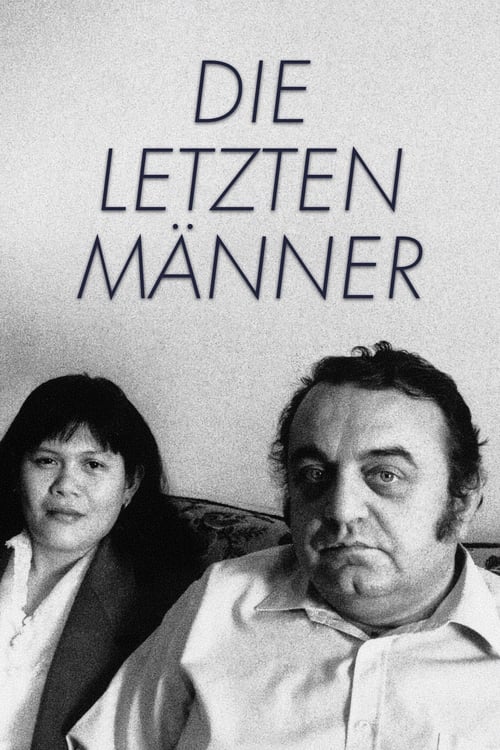
Disappointed by failed relationships and the demands set by local women, more and more Austrians search for happiness in a marriage with women from Thailand and the Philippines. Asked about the positive properties of their Asian spouses, the answer of the Austrian husbands quite often is, "They don't talk back." Protagonist of the film is Karl S., a teacher in Vienna in his forties. Following his failed marriage he is now seeking a durable partnership and is on the lookout for a wife who doesn't question her traditional role. His solution: a wife from the Far East. Karl S. rounds up experiences and visits several mixed couples to get a clearer picture and to have his idea proven right. The film accompanies him on his search for the ideal woman and gives an insight into the imagination of these "last real men" who at the beginning seem to have hit the jackpot with their decisions
2012

2012
1992

2015

2014
1970

2013

2018
No reviews yet. Be the first to share your thoughts on this movie!
Use the rating form above to leave a star rating and optional review.