Shark Gangs
2021
No user ratings available yet
Representation score: 0.0 out of 10
Representation Score
Fair
2018
Director
Luc Marescot
Runtime
92 minutes
Average Rating
No ratings yetNew Showbiz Analysis
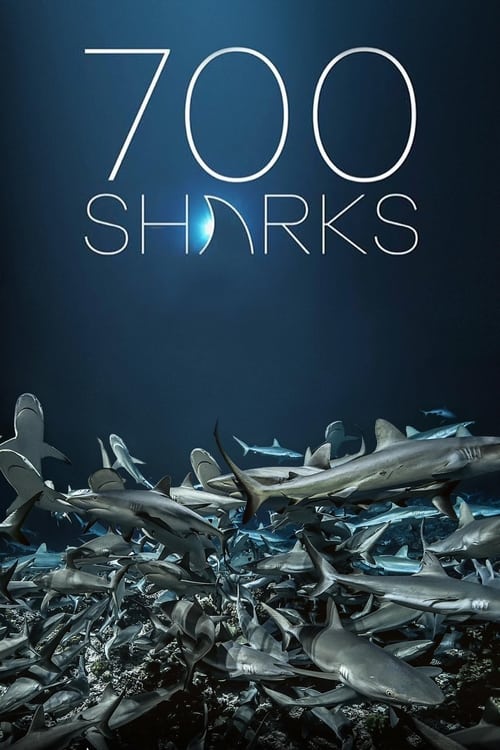
700 Sharks is a technical and biological study that prioritizes scientific empiricism over social commentary. Since the film focuses on marine ecosystems and shark behavior, it lacks the character-driven structures needed to explore diverse identities. The production emphasizes international scientific collaboration and a globalized approach to discovery, but the absence of human-centric narratives limits the scope for traditional diversity metrics.
Category Breakdown
Since the film is a nature documentary focusing on marine biology, it does not include any human characters or interpersonal narratives, and thus does not depict LGBTQ+ identities or themes.
Gender dynamics are shaped by the professional context of the expedition. Laurent Ballesta is shown taking a leading role, reflecting a neutral approach typical of scientific field studies.
The narrative highlights an international scientific team, suggesting a diverse and global workforce. The Polynesian setting provides an indigenous backdrop, but the focus remains on shark biology.
The film prioritizes a secular, scientific perspective. Natural mysteries are explored through biology and social behavior, avoiding religious or traditionalist interpretations.
There are no characters with physical or neurodivergent disabilities. The film focuses on the divers' ability to overcome fear, rather than addressing any disabilities.
Present on Screen
Limited or Absent
Official Synopsis
Gombessa Expedition 4 Laurent Ballesta went to observe a gathering of thousands of groupers during the full moon of June 2014 (Le mystère mérou) in the southern pass of the Polynesian atoll of Fakarava, where he discovered a pack of over seven hundred grey sharks. How can this unprecedented density be explained? Could it be that social behaviors govern this wild horde? During three years of preparation, he and the other divers on his international scientific team tamed their fear by abandoning the defensive reflexes that provoke shark aggression, with the aim of slipping into the heart of the raging pack to study and film it from the inside. Sharks fitted with microchips, receiving antennas, hydrophones, an ark of 32 synchronized cameras...: a whole technological arsenal is mobilized for the project. As the groupers approach for their annual spawning, what battle plan will the sharks deploy?
2021
2013

2019
2023

2014

2005
2023

2020
No reviews yet. Be the first to share your thoughts on this movie!
Use the rating form above to leave a star rating and optional review.