
Going in Style
2017
No user ratings available yet
Representation score: 5.5 out of 10
Representation Score
Limited
1979
PGDirector
Martin Brest
Runtime
97 minutes
Average Rating
No ratings yetNew Showbiz Analysis
Going in Style is a character-driven study that prioritizes socioeconomic critique over broad demographic representation. The film effectively deconstructs capitalist stability, framing the protagonists' bank robbery as a necessary rebellion against a system that has rendered them obsolete. However, the film lacks depth in terms of diverse representation. It focuses almost exclusively on a narrow demographic of white, elderly men, limiting its multi-layered scope. Ultimately, the director provides a nuanced critique of institutional reliability and the systemic abandonment of the elderly, even if the cast remains largely homogeneous.
Category Breakdown
The film does not include any LGBTQ+ characters or narratives. It focuses on traditional interpersonal relationships without delving into queer perspectives.
The story is driven by three male characters, emphasizing traditional masculine bonds and control. Female characters are limited to supporting roles that do not challenge existing gender hierarchies.
The casting is predominantly white and includes mostly older actors. The film lacks a diverse racial mix, reflecting a narrow demographic focus within a specific socioeconomic context.
The narrative critiques capitalist structures and the instability of retirement systems. It portrays the protagonists' actions as a rebellion against impersonal, systemic economic forces.
The film examines the hidden vulnerabilities of aging and physical decline. It avoids using disability as a plot device or for mockery.
Present on Screen
Limited or Absent
Official Synopsis
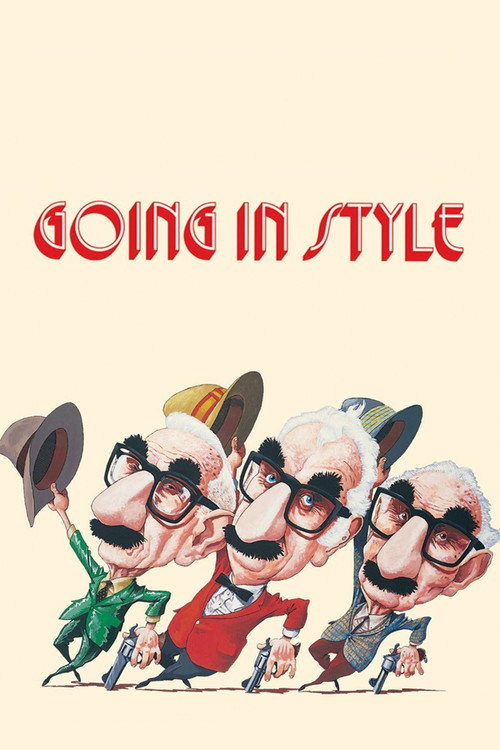
Three kindly old men decide to light up the dimming twilight of their lives with a last blaze of glory – by sticking up a Manhattan bank in broad daylight.
2017

1986

2013

1958

2000

1972

2016

2018
No reviews yet. Be the first to share your thoughts on this movie!
Use the rating form above to leave a star rating and optional review.