
The Cohasset Snuff Film
2012
No user ratings available yet
Diversity score: 3.5 out of 10
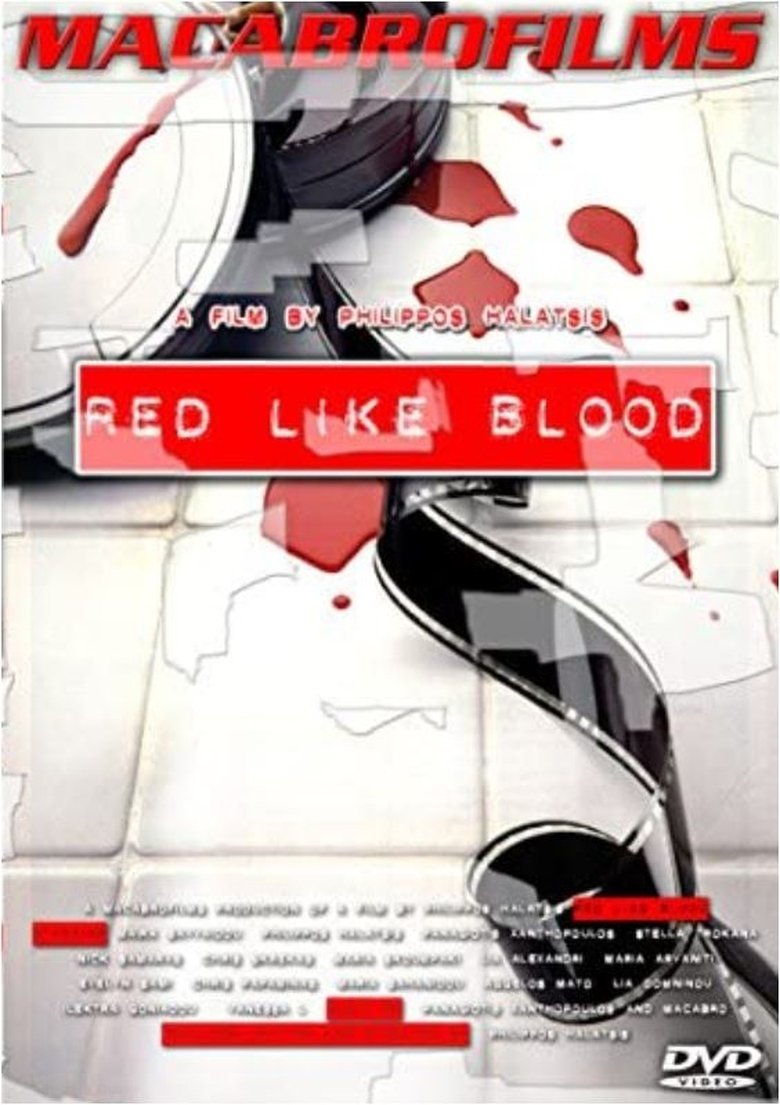
2005
NOT RATEDDirector
Filip Halo
Runtime
72 minutes
Average Rating
No ratings yetSynopsis
A young female reporter has the brilliant idea to create a fake video report on everyday crime, ranging from fights between couples that end with murder, friendships that end up ruined forever, incest, rape, to even drugs and accidental deaths. She finds a friend who is obsessed with his camera and asks him to do the mockumentary for her voluntarily. He agrees and both start recruiting amateur actors, friends and people who like the idea playing in front of the camera. The fake scenes soon become real.
Overall Score
Limited
Category Breakdown
LGBTQ+ Representation
The film lacks evidence of LGBTQ+ characters or non-cisnormative identities. There is no indication of queer narratives or themes addressing heteronormativity.
Gender Representation
A female protagonist drives the plot with significant agency and intellectual dominance. She acts as the architect of the conflict, though her character depth remains largely undefined.
Racial & Ethnic Diversity
The narrative provides no information regarding the racial or ethnic composition of the cast. The focus remains on the mockumentary format and criminal themes.
Religious & Cultural Diversity
The story explores moral ambiguity and the fragility of social bonds through simulated crimes. It lacks a clear stance on specific institutional or cultural critiques.
Disability Representation
There is no mention of characters with physical, sensory, or neurodivergent disabilities. The narrative does not address disability representation.
Strengths
Areas for Improvement
AI Analysis
Red Like Blood operates as a psychological thriller that uses a mockumentary lens to blur the lines between performance and reality. The film's primary strength lies in its subversion of gendered passivity by placing a female character in a position of control and leadership. However, the film's focus is narrow, prioritizing genre-specific horror and crime tropes over intersectional representation. The narrative architecture centers on interpersonal transgressions rather than systemic or cultural critiques. Ultimately, the work lacks meaningful engagement with diverse identities, focusing instead on the psychological descent of its protagonists as their staged crimes become real.
No reviews yet. Be the first to share your thoughts on this movie!
Use the rating form above to leave a star rating and optional review.