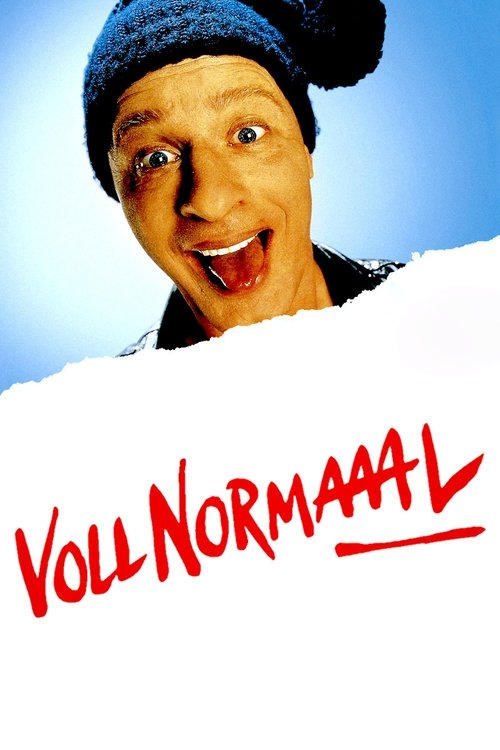
Voll Normaaal
1994
No user ratings available yet
Representation score: 2.2 out of 10

Representation Score
Minimal
1984
Director
Dieter Pröttel
Runtime
92 minutes
Average Rating
No ratings yetNew Showbiz Analysis
Dieter Pröttel's comedy is rooted in the specific context of 1980s West Germany, focusing on the economic uncertainties faced by ordinary citizens. While it offers a subtle critique of economic anxieties and the impact of systemic shifts, the film remains narrowly focused on a particular demographic. The production adheres to traditional social norms, emphasizing a male-dominated narrative without exploring complex intersections of identity. It serves primarily as a localized character study rather than a diverse or subversive work of cinema. Overall, the film's limited representation across gender, race, and disability fails to engage with a broader range of social issues, maintaining a focus on a traditional demographic.
Category Breakdown
The film does not include any identifiable LGBTQ+ characters or stories. The plot centers around the male friendship and camaraderie of the main characters within the traditional social structures of the 1980s.
The story focuses on the experiences of male protagonists and relies on traditional masculine stereotypes. There is no indication of strong female roles or challenges to gender norms.
The film depicts a homogeneous society typical of 1980s European cinema. There is no evidence of diverse ethnic or racial representation.
The story provides a humorous look at economic instability and the struggles of the working class. It focuses on the personal experiences of individuals facing economic hardships within a capitalist system.
The film does not feature any characters with visible or invisible disabilities. Disability is not a central theme or used to develop the story.
Present on Screen
Limited or Absent
Official Synopsis
Tommy and Mike, again without a job and without money, are looking for a public toilet at a motor show.
1994
1985

1984

1980

1992

1983
1973
1964
No reviews yet. Be the first to share your thoughts on this movie!
Use the rating form above to leave a star rating and optional review.