
Moon Pilot
1962
No user ratings available yet
Diversity score: 2.6 out of 10

1965
NRDirector
Henry Koster
Runtime
100 minutes
Average Rating
No ratings yetSynopsis
Professor Leaf, an absent-minded poet with a prejudice against the sciences, is forced to face the fact that his son is a math prodigy with little artistic talent of his own.
Overall Score
Limited
Category Breakdown
LGBTQ+ Representation
The film focuses on a generational conflict regarding intellectual pursuits. There is no evidence of non-cisnormative gender identities or same-sex intimacy.
Gender Representation
The central conflict is framed through a paternal lens. The narrative prioritizes male intellectual archetypes, placing the primary agency within the male characters.
Racial & Ethnic Diversity
The film appears to depict a homogeneous social environment. There is no indication of a multi-ethnic cast or non-white characters driving the narrative.
Religious & Cultural Diversity
The story explores a clash between the humanities and sciences. It focuses on traditional family structures and the passing of intellectual legacies.
Disability Representation
There is no information regarding the depiction of physical or neurodivergent disabilities in this work.
Strengths
Areas for Improvement
AI Analysis
Dear Brigitte is a mid-century domestic comedy that operates within the established social frameworks of 1965. The narrative centers on a father-son dynamic, specifically the tension between a poet father and a mathematician son. Because the film relies on traditional Anglo-Saxon casting and heteronormative structures, it offers very little engagement with intersectional identities. The story reinforces conventional familial and intellectual archetypes rather than subverting them. Ultimately, the film serves as a character study of individual temperament within a very narrow, traditional social setting.
1962
1982
1991
1971

1983

1971
1977

1998
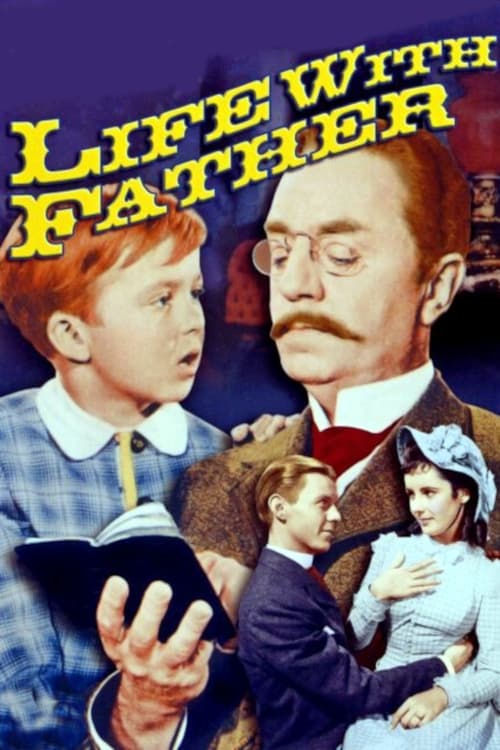
1947
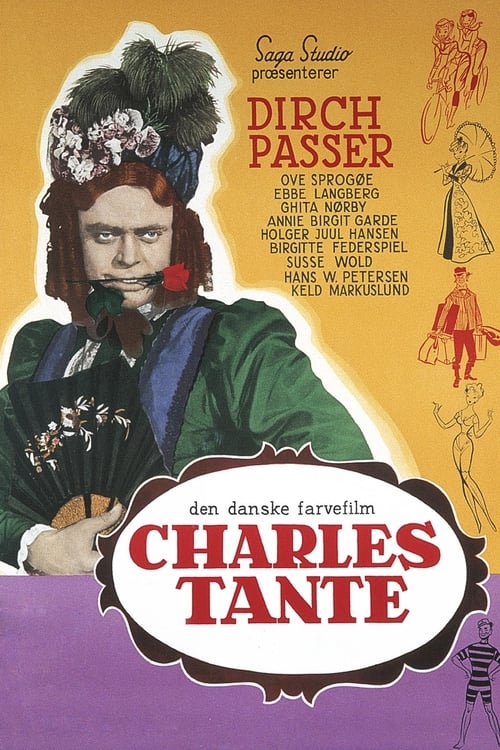
1959

1981

1962
No reviews yet. Be the first to share your thoughts on this movie!
Use the rating form above to leave a star rating and optional review.