
Rosa
2011
No user ratings available yet
Representation score: 8.0 out of 10
Representation Score
Good
2009
RDirector
Makoto Ohta, Masaru Kawahara, Hisashi Sasaki, mebae
Runtime
27 minutes
Average Rating
No ratings yetNew Showbiz Analysis
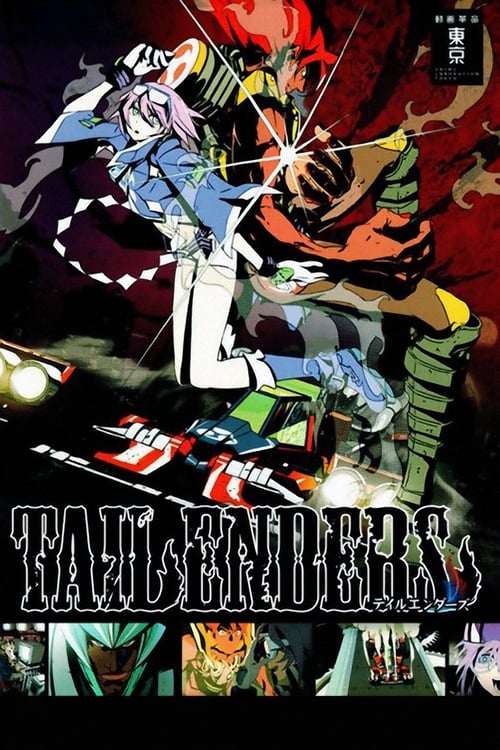
Tailenders explores the intersection of technology and identity through a science fiction lens. It excels in handling bodily autonomy and challenging biological norms via cyborgism. The film uses its setting to critique institutions that marginalize individuals, portraying characters who rebel against oppressive regulatory systems. However, it lacks explicit representation of specific social identities, such as LGBTQ+ characters or detailed ethnic backgrounds.
Category Breakdown
The film does not explicitly include LGBTQ+ characters or dynamics that challenge the assumption that everyone is straight. The story focuses on the protagonist's physical transformation and professional journey.
The story centers around a character who embodies traditional masculinity, emphasizing physical resilience. However, the mechanical heart replacement may challenge traditional views of the body and gender.
The colonial planet setting allows for exploring themes of displacement and social hierarchy. The diverse cast of pilots suggests characters from various backgrounds who exist outside traditional societal structures.
The film critiques institutions that dehumanize individuals through strict regulations. Characters seek to reclaim their ability to act in a colonial environment, rebelling against oppressive centralized authorities.
The film explores physical disability through the concept of cyborgism. The mechanical heart symbolizes a new way of living rather than a limitation or deficit.
Present on Screen
Limited or Absent
Official Synopsis
Premiered in Sapporo Short Fest 2009. The destiny of Tomoe Shiro, a formidable racer with a very promising career, experiments an U-turn when a serious accident puts his life at stake. He recovers miraculously, though, when his heart is replaced with the engine of his own racing car. However, because of that very reason, race regulations demote him to the category of a mere mechanical part of the vehicle and is deprived from the right to participate as a pilot in regular races. Only in a far away colonial planet, along with a multitude of other charismatic pilots also vetoed from participating in regular competitions, he will be given the opportunity to race for his pride and the money of the prize. And so this exciting rally starts!!
2011
2009
1986
2016
2007

2025
2015
No reviews yet. Be the first to share your thoughts on this movie!
Use the rating form above to leave a star rating and optional review.