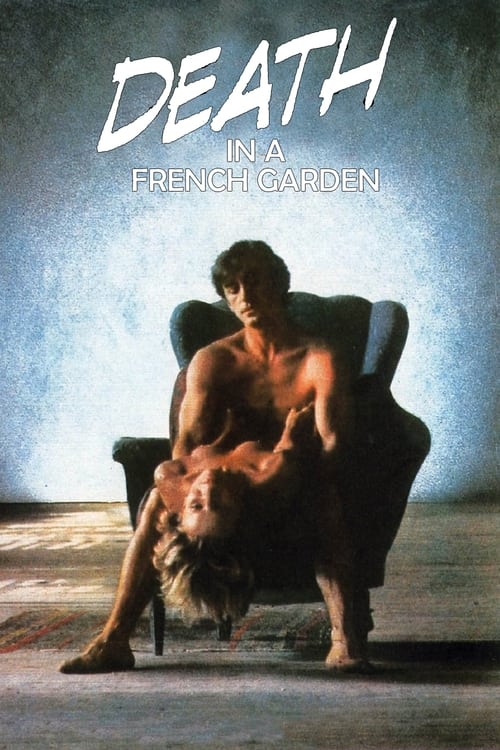
Death in a French Garden
1985
No user ratings available yet
Diversity score: 5.1 out of 10
1978
Director
Kim Ki-young
Runtime
117 minutes
Average Rating
No ratings yetSynopsis
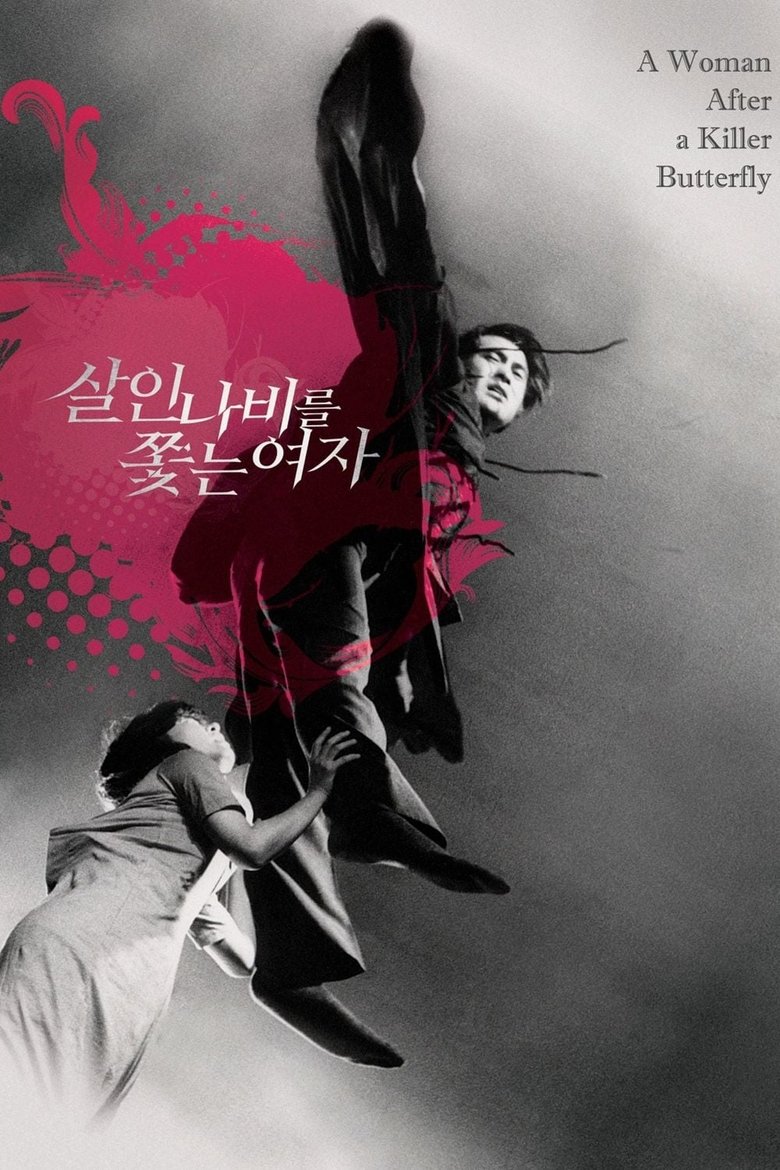
A melodrama about a man who survives an attempted double suicide with a stranger while picnicking with friends. He goes on a cave expedition for a famous archaeologist where he discovers a skeleton several thousand years old. He meets the spirit of the skeleton in a dream, and then becomes romantically involved with the archeologist's daughter.
Overall Score
Fair
Category Breakdown
LGBTQ+ Representation
The narrative focuses on a central romantic involvement between the protagonist and the archaeologist's daughter. There is no explicit evidence of non-heteronormative identities or same-sex intimacy.
Gender Representation
The title suggests a narrative driven by female presence or influence. The protagonist's psychological trauma may allow for the subversion of traditional masculine archetypes in favor of more vulnerable roles.
Racial & Ethnic Diversity
As a South Korean production, the film centers East Asian storytelling and aesthetic traditions. It provides a non-Western perspective that disrupts Western-centric cinematic hegemony.
Religious & Cultural Diversity
The film utilizes dream logic, spiritualism, and the supernatural to prioritize subjective experiences. This approach favors non-secular themes over rigid Western rationalism.
Disability Representation
The protagonist is a survivor of an attempted suicide, implying significant psychological trauma. The film may offer a nuanced look at invisible mental health conditions through his altered state.
Strengths
Areas for Improvement
AI Analysis
Kim Ki-young’s work utilizes surrealism and psychological melodrama to challenge conventional social mores. The film moves away from domestic stability toward a fragmented, subjective reality that explores the chaotic aspects of the human experience. While the film lacks high-visibility intersectional markers like overt LGBTQ+ identities, it offers progressive narrative complexity. It deconstructs traditional melodrama through themes of mortality, obsession, and the blurring of boundaries between the living and the dead. The production serves as a significant cultural export, centering East Asian perspectives. Its focus on existentialism and the instability of the human condition suggests a sophisticated departure from traditional, stable social structures.
1985
1977
1992
1977
No reviews yet. Be the first to share your thoughts on this movie!
Use the rating form above to leave a star rating and optional review.