
ErOddity(s) 2
2015
No user ratings available yet
Representation score: 8.4 out of 10
Representation Score
Excellent
1991
UnratedDirector
Todd Haynes
Runtime
85 minutes
Average Rating
No ratings yetNew Showbiz Analysis
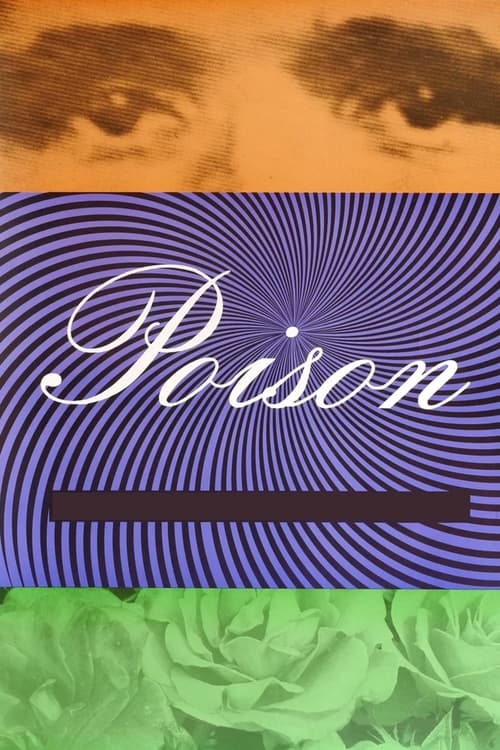
Todd Haynes’ *Poison* is a seminal work of New Queer Cinema that uses fragmented, postmodern storytelling to critique systemic power. By blending horror, sci-fi, and drama, the film dismantles traditional cinematic structures to examine how institutions pathologize non-conforming identities. The film excels in its profound exploration of queer existence and the deconstruction of the 'normal/deviant' binary. It provides a sophisticated critique of Western social order, particularly targeting the medical and legal establishments. However, the scope of representation is somewhat narrow. The narrative leans heavily into masculine-centered dynamics and lacks explicit focus on racial or ethnic diversity.
Category Breakdown
The film centers on the struggles of queer individuals seeking autonomy within straight-centered medical and legal frameworks. It explores same-sex relationships and the psychological trauma caused by mandated treatments.
The narrative focuses on power imbalances between underrepresented men and patriarchal medical authorities. Gender exploration is centered around masculine experiences within institutional settings.
The film emphasizes class, institutionalization, and sexual identity rather than explicit racial or ethnic diversity. The primary focus remains on queer identity and state control.
The story challenges Western institutional stability by portraying the medical and legal systems as predatory. It prioritizes the lived experiences of underrepresented individuals over sanctioned social norms.
The film examines the intersection of mental health and institutionalization. It portrays psychiatric treatment as a tool of social control rather than a benevolent service.
Present on Screen
Limited or Absent
Official Synopsis
A trio of interweaved transgressive tales, telling a bizarre stories of suburban patricide and a miraculous flight from justice, a mad sex experiment which unleashes a disfiguring plague, and the obsessive sexual relationship between two prison inmates.
2015

1999

1996

1986
1992
1982

2000

1977
No reviews yet. Be the first to share your thoughts on this movie!
Use the rating form above to leave a star rating and optional review.