
Can't Hardly Wait
1998
No user ratings available yet
Representation score: 3.5 out of 10
Representation Score
Minimal
1984
PGDirector
John Hughes
Runtime
93 minutes
Average Rating
No ratings yetNew Showbiz Analysis
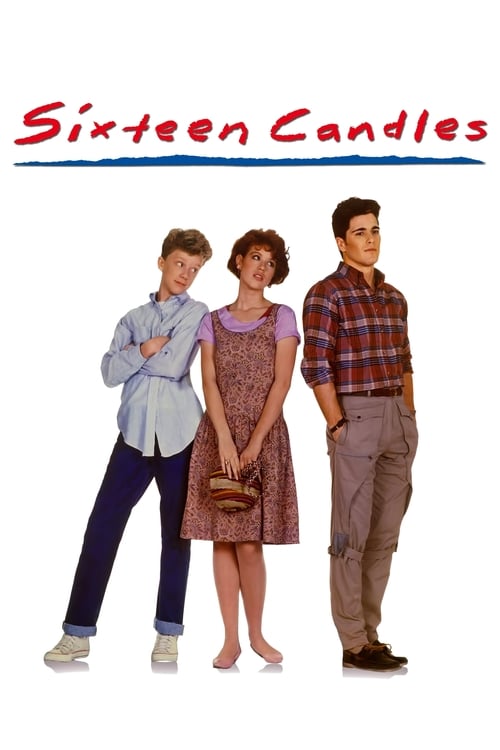
Sixteen Candles offers a quintessential portrait of 1980s suburban adolescence, yet it remains deeply rooted in the demographic exclusivity of its era. The film prioritizes traditional social hierarchies and a narrow, Western-centric view of teenage life. The narrative focuses almost entirely on a white, middle-class experience, lacking multi-layered depth. It relies on established clichés, such as ethnic caricatures, rather than offering nuanced or diverse characterizations. Ultimately, the film preserves conventional social dynamics. It functions as a period piece that reflects the status quo of its time rather than challenging systemic norms or providing inclusive representation.
Category Breakdown
The film adheres to a strictly straight-focused structure and does not include any non-binary identities or same-sex relationships.
Samantha, the main character, plays a significant role in driving the story but her actions are largely influenced by male validation. The social hierarchy is dominated by male-centric cliques.
The setting is a homogeneous, white, middle-class suburb. Long Duk Dong, a character, relies on regressive ethnic caricatures instead of nuanced representation.
The story emphasizes 1980s American consumerism and the nuclear family. It operates within traditional Western institutions without challenging systemic norms.
There is no representation of physical, neurodivergent, or invisible disabilities. The narrative does not address these lived experiences.
Present on Screen
Limited or Absent
Official Synopsis
With the occasion all but overshadowed by her sister's upcoming wedding, angst-ridden Samantha faces her 16th birthday with typical adolescent dread. Samantha pines for studly older boy Jake, but worries that her chastity will be a turnoff for the popular senior. Meanwhile, she must constantly rebuff the affections of nerdy Ted, who is unfortunately the only boy in school who seems to take an interest in her.
1998
1986

1978

1980
1989

1983

1989
1985
No reviews yet. Be the first to share your thoughts on this movie!
Use the rating form above to leave a star rating and optional review.