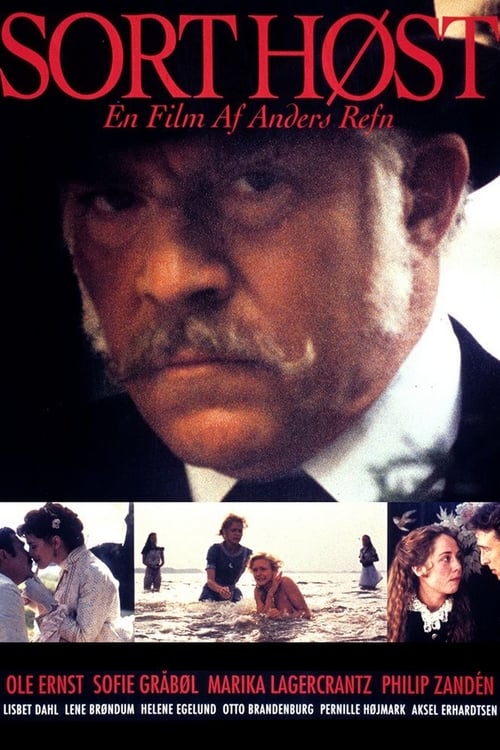
Black Harvest
1993
No user ratings available yet
Representation score: 3.5 out of 10
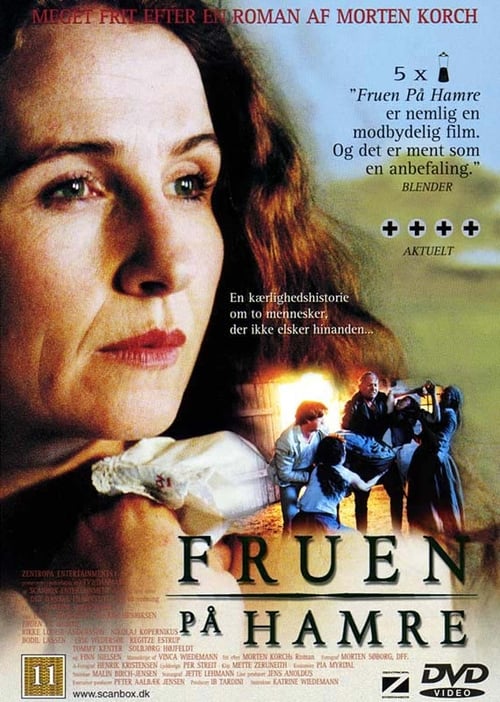
Representation Score
Limited
2000
Director
Katrine Wiedemann
Average Rating
No ratings yetNew Showbiz Analysis
Katrine Wiedemann’s drama successfully deconstructs traditional social roles, particularly focusing on female autonomy. By centering the plot on Bente’s power struggle against her husband, the film moves beyond the typical period drama cliché of women as mere victims of circumstance. However, the film is limited by its narrow demographic scope. The focus on a homogeneous Norwegian agrarian society results in a lack of racial and ethnic diversity, and there is no representation of LGBTQ+ identities. Ultimately, the film is a sophisticated psychological study of systemic friction. It trades idealized depictions of heritage for a gritty look at how marriage and family can become tools of psychological and financial entrapment.
Category Breakdown
There are no LGBTQ+ characters or narratives exploring non-straight relationships in the film. The story focuses solely on heterosexual marital structures of the time.
The film highlights the struggle of a woman named Bente who fights for autonomy within oppressive structures. Her conflict with her abusive husband challenges traditional gender hierarchies and avoids depicting women as passive victims.
Set in a Norwegian agrarian society, the story focuses on a homogeneous group with no evidence of diverse casting or non-Anglo-Saxon characters.
The film critiques the idealized family structure by showing marriage as a site of exploitation and entrapment. It examines the corrupting influence of class and familial hierarchies.
The film does not provide any specific evidence regarding the portrayal of physical or neurodivergent disabilities.
Present on Screen
Limited or Absent
Official Synopsis
In order to preserve the family farm Hamre, Bente follows her dying father's wishes and marries the brutal landowner's son Gorm. He hunts the young girls on the farm and succumbs to the evil and scheming influence of the marksman Grove. The unhappy marriage turns into a veritable power struggle between Bente and Gorm. At the same time, we follow Bente's younger sister Grethe, who appears to be happily married to Martin, the son of a merchant. However, Martin is unnaturally attached to his mother, and his family spends freely of Grethe's inheritance.
1993
1990
1985

1941
1989
1991
1986

2015
No reviews yet. Be the first to share your thoughts on this movie!
Use the rating form above to leave a star rating and optional review.