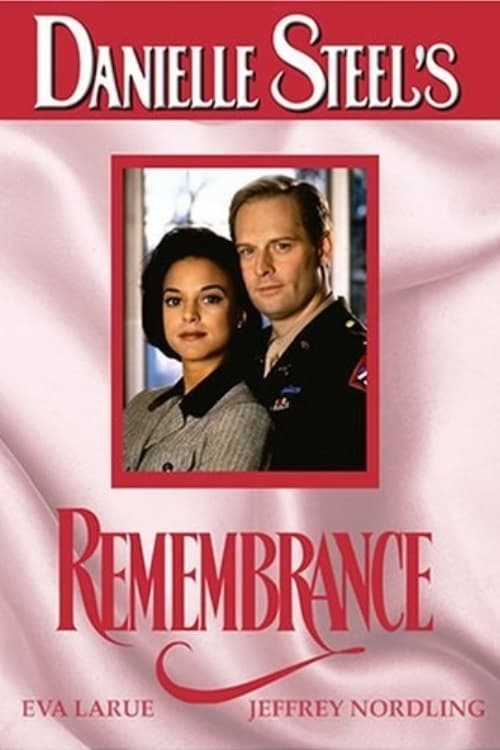
Remembrance
1996
No user ratings available yet
Representation score: 2.5 out of 10

Representation Score
Limited
1992
Director
Michael Whyte
Runtime
90 minutes
Average Rating
No ratings yetNew Showbiz Analysis
The film serves as a humanistic drama that emphasizes individual trauma over ideological grandstanding. It effectively deconstructs political romanticism by focusing on the domestic fallout of sectarian conflict. While the narrative offers a nuanced critique of institutionalized violence, it remains centered on a specific regional demographic and traditional romantic structures. The film's impact stems from its emotional depth regarding the fragility of the family unit, despite limited diverse representation.
Category Breakdown
The film centers on a heterosexual relationship between the main characters. It does not include any non-cisgender identities or critiques of the assumption that everyone is straight.
Helen plays a significant role in navigating widowhood and relocation. However, her journey is heavily influenced by male-driven political violence, which limits the challenge of traditional gender roles.
The cast appears largely uniform within the Northern Irish region. An American character adds a cross-cultural element, but it does not diversify the racial makeup significantly.
The narrative challenges nationalism by showing the destructive impact of political extremism. It highlights the IRA's actions through personal tragedy, avoiding endorsement of a single ideology.
The film does not portray any visible or invisible disabilities as central to the character arcs or driving the plot.
Present on Screen
Limited or Absent
Official Synopsis
Northern Irishwoman Helen Cuffe (Julie Christie) is overwhelmed with sadness when her husband is killed by the Irish Republican Army. She and her teen son, Jack (Frank MacCusker), then move to a tiny town and start life anew. There, Helen meets a mysterious American man named Roger Hawthorne (Donald Sutherland), who is in the area to refurbish an old train station. A romance slowly blossoms between Roger and Helen, but Jack then gets involved with a violent political group, and tragedy looms.
1996

1990
2008
1997
1984
2017
1992
2006
No reviews yet. Be the first to share your thoughts on this movie!
Use the rating form above to leave a star rating and optional review.