Night Ride Home
1999
No user ratings available yet
Representation score: 3.1 out of 10
Representation Score
Fair
2002
TV-14Director
Peter Werner
Runtime
86 minutes
Average Rating
No ratings yetNew Showbiz Analysis
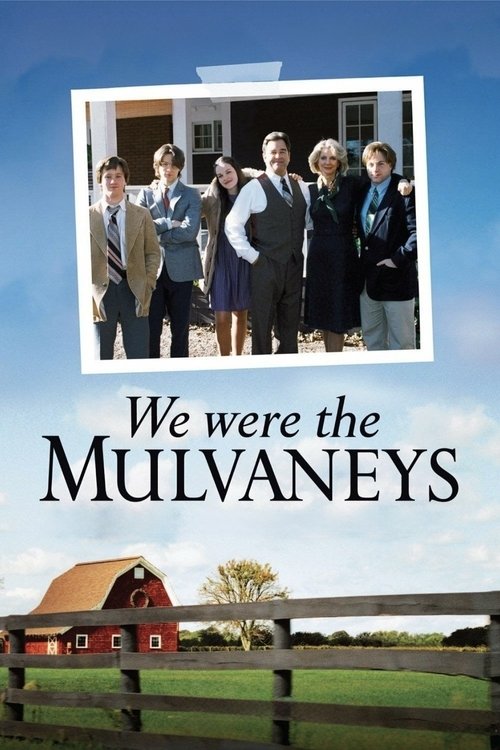
We Were the Mulvaneys is a character-driven domestic drama that prioritizes psychological realism over demographic diversity. It serves as a period-appropriate study of a family unit under pressure. The film lacks significant racial or LGBTQ+ diversity but achieves depth by challenging the moral norms of its environment. It examines how individual ability to act persists within restrictive cultural and patriarchal frameworks. Ultimately, the work succeeds by deconstructing traditional social norms and exploring the impact of these norms on individuals.
Category Breakdown
The story focuses on a traditional nuclear family structure without LGBTQ+ characters or diverse sexual orientations, emphasizing heterosexual relationships.
The film looks at how men and women process trauma differently. It highlights the emotional labor of female characters and how patriarchal expectations limit their control over their lives.
Set in a rural Irish context, the production remains ethnically homogeneous. The casting reflects the local population, lacking racial diversity.
The narrative critiques the intersection of the Catholic Church and small-town morality. It explores the tension between strict religious doctrine and personal truth.
The film addresses psychological trauma as an invisible struggle. However, it does not center characters with recognized physical or neurodivergent disabilities.
Present on Screen
Limited or Absent
Official Synopsis
Based on the novel by the same name, We Were the Mulvaneys is a sensitive portrayal of one family's journey as they face conflict, fear, tragedy and ultimately, themselves.
1999
2004
2003

2008
2001

2004
2019
2001
No reviews yet. Be the first to share your thoughts on this movie!
Use the rating form above to leave a star rating and optional review.