The Silent Hour
2024
No user ratings available yet
Representation score: 6.9 out of 10
Representation Score
Good
2016
RDirector
Rodrigo Grande
Runtime
120 minutes
Average Rating
No ratings yetNew Showbiz Analysis
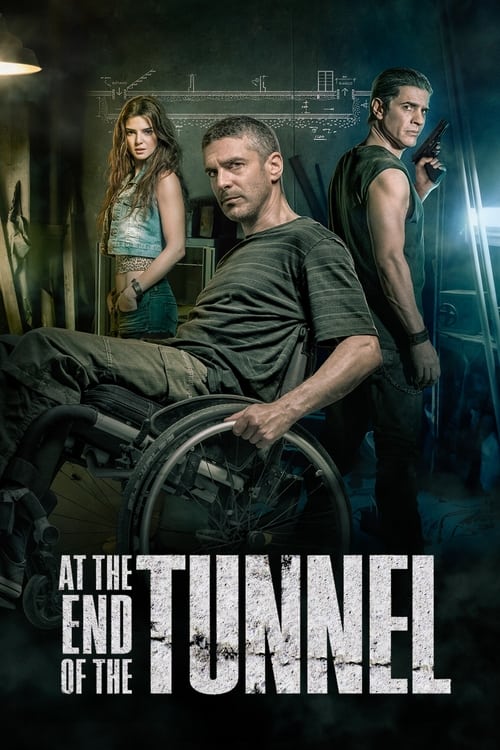
At the End of the Tunnel is a film that contrasts strong social critiques with limited demographic diversity. It stands out by addressing post-colonial tensions and the exploitation of indigenous lands by multinational corporations. However, the film adheres to traditional gender roles and lacks representation for LGBTQ+ identities. Its strength lies in its complex and culturally nuanced storytelling, though it falls short in diversifying its gender and queer demographics. Ultimately, the film's intellectual depth and cultural critique provide a sophisticated perspective, even as it struggles to include a wider range of gender and sexual identities.
Category Breakdown
The film follows a conventional structure that assumes everyone is straight or cisgender. It centers on masculine dynamics within combat and corporate security roles.
The story is predominantly focused on male characters, particularly those involved in security. Female characters play minor roles and lack significant influence over the plot.
The film highlights conflicts between foreign corporations and indigenous communities. This shifts the focus away from Western-centric narratives and emphasizes the ability to act of non-Western characters.
The story critiques Western capitalist systems and exploitative mining practices. It portrays a world where corporate forces take on the role of government authorities.
The main character is a paraplegic engineer who plays a central role in the story due to his intellect and problem-solving skills. His disability is integral to his character, not just a plot device.
Present on Screen
Limited or Absent
Official Synopsis
A paraplegic computer engineer who moves in a wheelchair and works in his basement starts hearing noises and voices of bank-robbers.
2024

2010

2021
1971
1998
2005
2016
2026
No reviews yet. Be the first to share your thoughts on this movie!
Use the rating form above to leave a star rating and optional review.