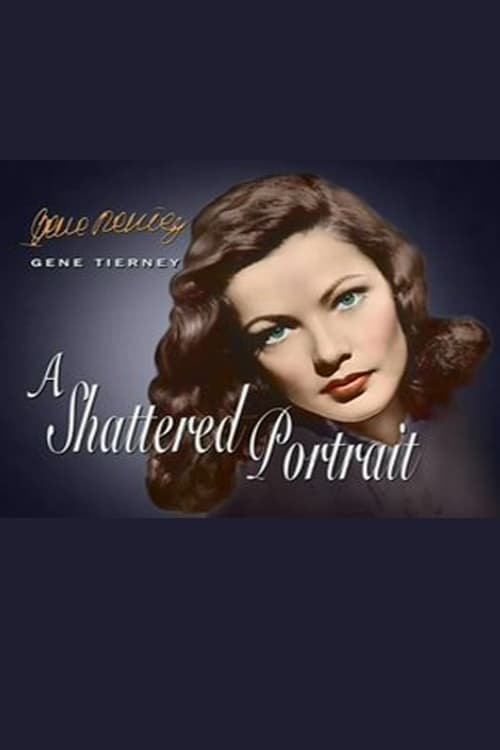
Gene Tierney: A Shattered Portrait
1999
No user ratings available yet
Diversity score: 4.9 out of 10
1997
TV-14Runtime
45 minutes
Average Rating
No ratings yetSynopsis
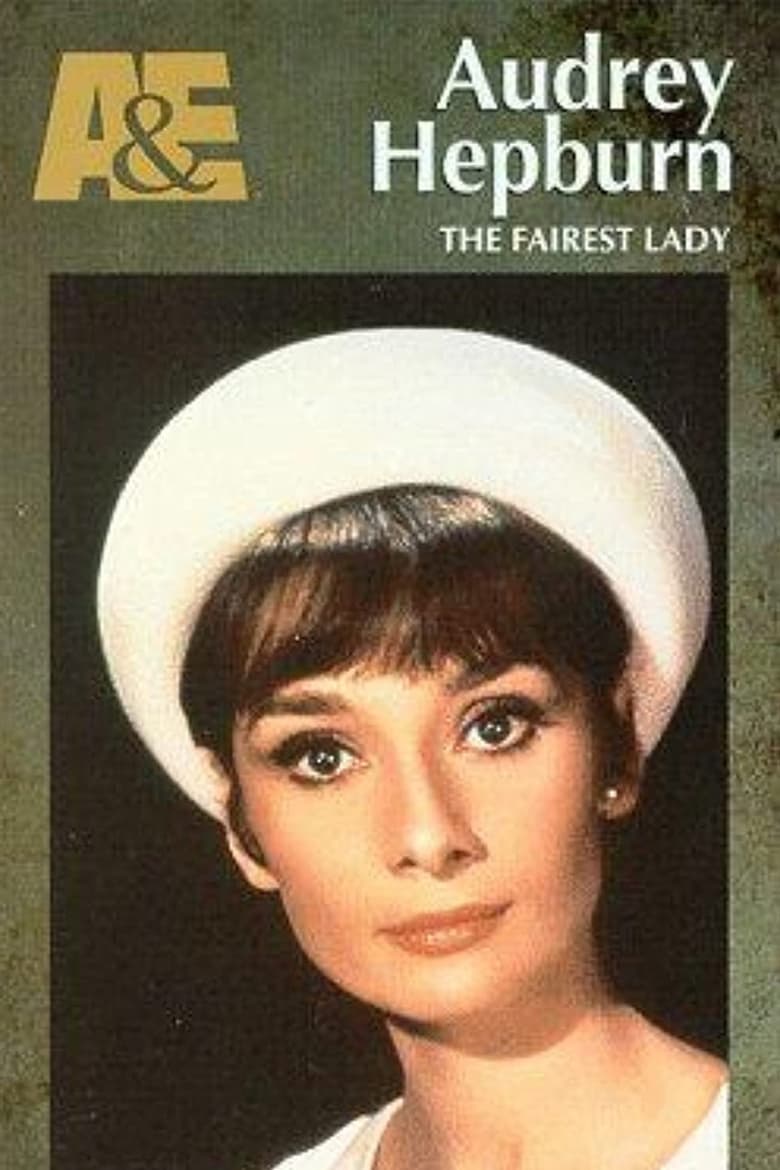
The story of how Audrey Hepburn survived World War II, became an award winning actress, and gave back to the world as a humanitarian.
Overall Score
Limited
Category Breakdown
LGBTQ+ Representation
The film lacks any evidence of LGBTQ+ characters or narratives. It follows a traditional biographical framework centered on Hepburn’s established public history.
Gender Representation
The narrative centers on a woman’s agency and professional evolution. It portrays Hepburn as a self-actualized leader, disrupting tropes of female passivity through her humanitarian work.
Racial & Ethnic Diversity
As a study of a white European actress, the film lacks diverse casting or non-Anglo-Saxon perspectives. It reflects the historical homogeneity of the era and Hepburn's specific background.
Religious & Cultural Diversity
The film explores global responsibility through Hepburn’s UNICEF work. While rooted in Western tradition, it examines the mitigation of suffering through international institutions.
Disability Representation
The story touches on the physical hardships of surviving the German occupation. It addresses the vulnerability of the human condition and the toll of systemic deprivation.
Strengths
Areas for Improvement
AI Analysis
This docudrama serves as a traditional biographical tribute to Audrey Hepburn. It finds its strength in highlighting female autonomy and the transition from wartime survivor to global humanitarian leader. However, the film operates within a narrow historical lens. It lacks intersectional breadth, focusing almost exclusively on a Western icon within a historically homogeneous European context. Ultimately, while the film provides a nuanced look at social responsibility, it does not subvert traditional demographic hierarchies or include diverse perspectives.
1999

2016
2005

2002

2004

2020
2020

2017

2014

1998

2006

2018
No reviews yet. Be the first to share your thoughts on this movie!
Use the rating form above to leave a star rating and optional review.