
Isekai Quartet the Movie: Another World
2022
No user ratings available yet
Representation score: 7.2 out of 10
Representation Score
Fair
2018
TV-14Director
Tatsuya Ishihara
Runtime
94 minutes
Average Rating
No ratings yetNew Showbiz Analysis
The film operates as a specialized character study that emphasizes psychological depth over broad demographic inclusion. It successfully frames unique psychological states as a valid means of navigating the world, particularly through its treatment of the female lead. However, the narrative remains largely within the confines of conventional romantic comedy structures. It lacks the layered complexity or systemic critiques needed to transcend a typical genre piece. Ultimately, while the film offers progressive value in subverting gender archetypes and handling non-standard social behaviors, it remains a culturally homogeneous and traditionally romantic experience.
Category Breakdown
The story follows a traditional romantic path between the main leads, with no visible presence of same-sex relationships or non-binary gender identities among the core cast.
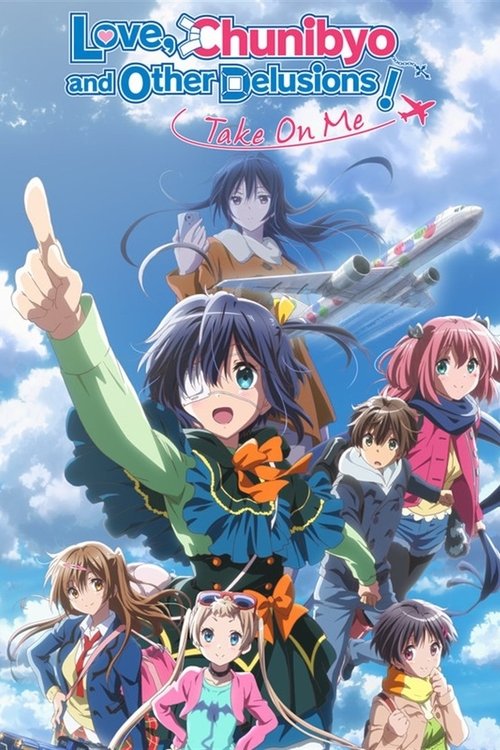
Rikka challenges traditional feminine stereotypes through her eccentric and non-conformist behavior. The female lead maintains a significant role in driving the story, while the male lead provides stability.
The setting is culturally homogeneous and localized to Japan, with the cast reflecting a predominantly Anglo-Japanese demographic without evidence of intentional racial blending or color-blind casting.
The film explores the tension between individual fantasy and the structured expectations of Japanese institutional life, highlighting the conflict between childhood autonomy and adult societal conformity.
The 'chunibyo' phenomenon is portrayed as a complex psychological coping mechanism rather than a caricature, offering a nuanced depiction of neurodivergent-adjacent behaviors and internal ability to act.
Present on Screen
Limited or Absent
Official Synopsis
Yuuta and Rikka are in their third year of high school. One day in Spring, Touka declares that she will take Rikka to Italy with her, as her job has stabilized there and thinks they should migrate together as a family. Touka is also worried about Rikka not being competent enough to advance to universities in Japan. The gangs from the club suggested Yuuta, who doesn't want to be separated, to elope with Rikka!! A runaway drama throughout Japan begins.
2022

2019

2011

2019

2013

2008

2016
2023
No reviews yet. Be the first to share your thoughts on this movie!
Use the rating form above to leave a star rating and optional review.