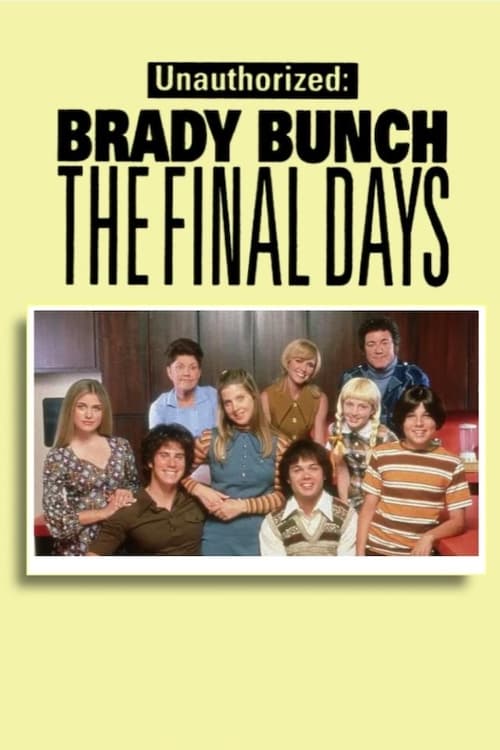
Unauthorized Brady Bunch: The Final Days
2000
No user ratings available yet
Representation score: 5.3 out of 10

Representation Score
Fair
2015
TV-PGDirector
Mark Griffiths
Runtime
85 minutes
Average Rating
No ratings yetNew Showbiz Analysis
The film serves as a historical look at a specific 1990s cultural moment. Since it dramatizes a period defined by certain casting traditions, the narrative is limited by the social hierarchies of that era. While the film examines the evolution of televised social dynamics and female professional ability to act, it doesn't challenge modern storytelling that reflects multiple aspects of identity standards. Instead, it provides a nostalgic view of celebrity culture without a diverse or progressive representation of identity.
Category Breakdown
The film looks back at the era's sexuality, reflecting the social dynamics of its time. However, it doesn't explore contemporary queer identity in a proactive way.
It highlights women's professional goals and ability to act in the entertainment industry. Yet, it still relies on traditional romantic clichés.
The film reflects the homogeneous casting practices of the 1990s. It emphasizes Anglo-centric social hierarchies rather than modern, diverse casting.
The story criticizes the superficial glamour of Hollywood and the artificial nature of celebrity culture. However, it doesn't deeply critique Western social structures.
There is no indication that neurodivergence or physical disabilities play a significant role in the characters' stories or the main narrative.
Present on Screen
Limited or Absent
Official Synopsis
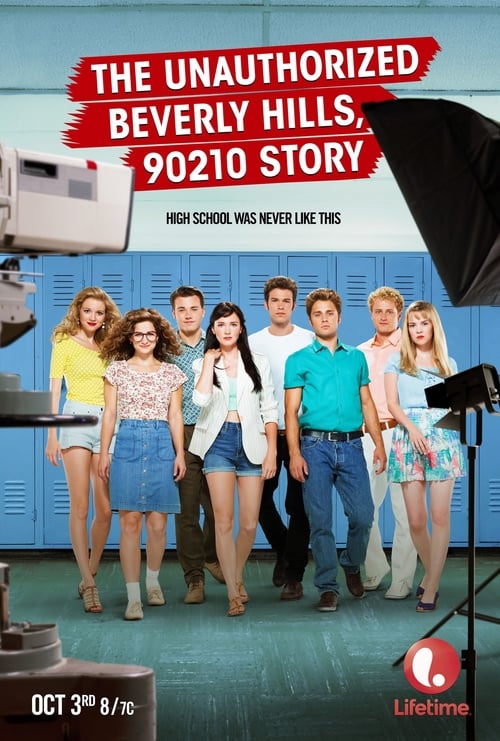
The true story of the wildly popular television show created by Aaron Spelling and Darren Star during the 1990's.
2000
2015
1998

2014
2013
2017
2015

1981
No reviews yet. Be the first to share your thoughts on this movie!
Use the rating form above to leave a star rating and optional review.