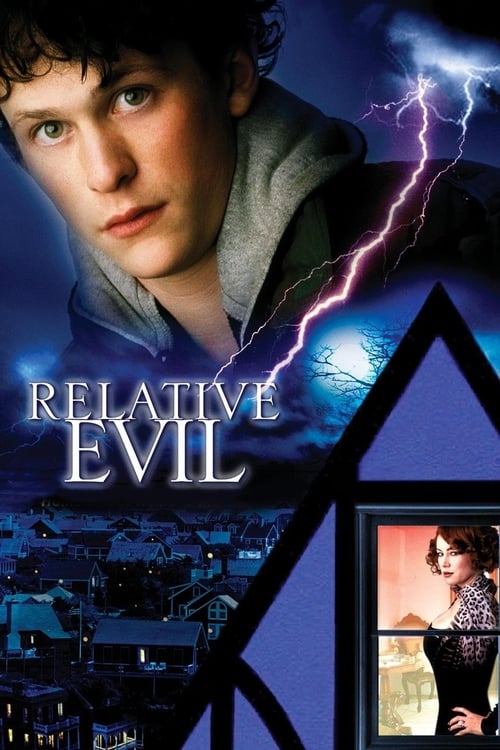
Relative Evil
2001
No user ratings available yet
Diversity score: 4.9 out of 10
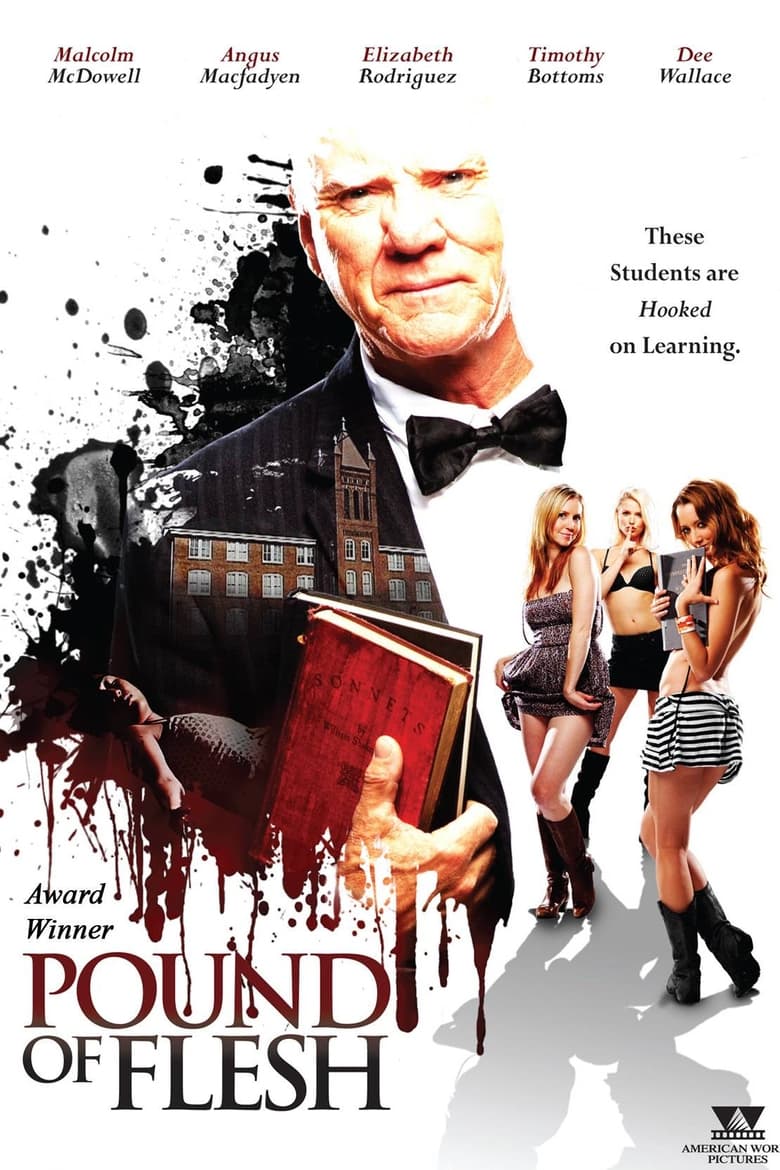
2011
RDirector
Tamar Simon Hoffs
Runtime
97 minutes
Average Rating
No ratings yetSynopsis
Noah Melville, a popular college professor and confirmed sensualist, provides scholarships for gorgeous college girls through an escort service, whose satisfied clients include the chairman of the school board, the chief of police, and even the mayor of their idyllic college town. When a young woman's dead body is found near the campus, the moralistic new detective in town, Patrick Kelly, investigates, leading him to the professor. Exposed, Noah must leave his devoted wife and daughter and flee the law. Kelly, for his own reasons, takes the law into his own hands to bring Noah to justice. Their deadly showdown has a surprising result.
Overall Score
Fair
Category Breakdown
LGBTQ+ Representation
The narrative focuses on heteronormative power dynamics and transactional relationships. It does not explicitly center LGBTQ+ identities or non-cisnormative gender expressions.
Gender Representation
Women are primarily positioned as commodities within a patriarchal system of exploitation. The male leads represent traditional archetypes of rigid law and predatory indulgence.
Racial & Ethnic Diversity
The casting of Benjamin Bratt provides a layer of ethnic diversity. However, the plot does not explicitly center on racial identity or systemic ethnic struggle.
Religious & Cultural Diversity
The film critiques Western institutional integrity by portraying civic leaders as corrupt. It challenges the reliability of traditional social structures and established authority.
Disability Representation
There is no discernible representation of physical or neurodivergent disabilities. Characters are defined by social status and moral failings rather than disability.
Strengths
Areas for Improvement
AI Analysis
Pound of Flesh is a dark satire that prioritizes the deconstruction of institutional power over demographic breadth. It succeeds in critiquing the corruption within academic and civic pillars, such as the school board and local government. However, the film lacks significant representation for LGBTQ+ individuals and people with disabilities. The gender dynamics are heavily skewed, reinforcing a patriarchal structure where women are treated as commodities. While the casting of Benjamin Bratt adds ethnic nuance, the film's primary focus remains on the moral decay of traditional authority figures rather than diverse social identities.
No reviews yet. Be the first to share your thoughts on this movie!
Use the rating form above to leave a star rating and optional review.