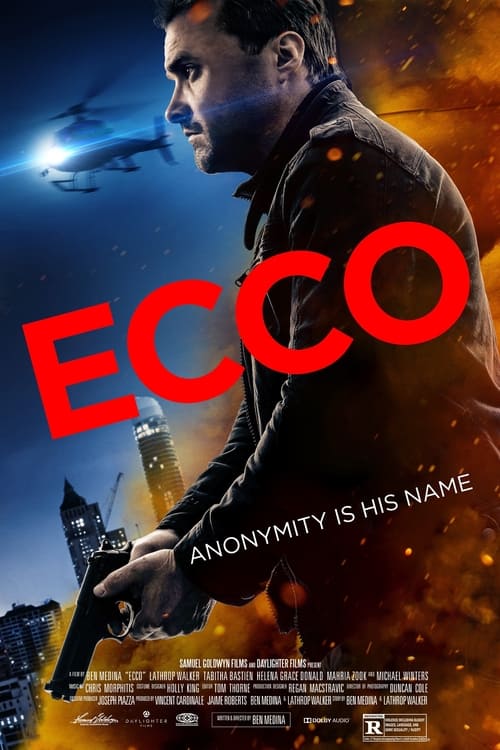
ECCO
2019
No user ratings available yet
Representation score: 3.2 out of 10

Representation Score
Fair
2025
TV-MADirector
Antoine Blossier
Runtime
84 minutes
Average Rating
No ratings yetNew Showbiz Analysis
K.O. showcases strong diversity in casting but falls short in narrative inclusivity. The film stands out for its authentic representation of Marseille’s multicultural demographics through diverse casting, breaking away from the usual white-centric action film norms. However, it struggles with traditional gender and LGBTQ+ representation, limiting its progressive impact. The narrative remains entrenched in conventional masculine themes, sidelining female and LGBTQ+ characters. Additionally, there is no representation of characters with disabilities, focusing solely on able-bodied athletes.
Category Breakdown
The film focuses on traditional masculinity and family duty, with no LGBTQ+ characters or themes related to queer identity. It adheres to conventional representations without exploring LGBTQ+ experiences.
The story revolves around male violence and redemption, with women playing minor roles that support the main male storyline. This reinforces traditional gender roles and male control over the narrative.
The film features diverse actors like Ciryl Gane in key roles, reflecting Marseille’s multicultural reality. This authentic casting integrates non-white actors into the core narrative, challenging typical white-centric genre norms.
The film explores French suburban issues and systemic inequalities through its Marseille setting. While it offers potential social commentary, the focus on personal vengeance might reinforce individualistic solutions over collective action.
The narrative highlights physical combat and athletic prowess, emphasizing able-bodied strength. Characters with disabilities are not represented, which means the film overlooks neurodiversity or chronic illness.
Present on Screen
Limited or Absent
Official Synopsis
A former fighter must find the missing son of an opponent he accidentally killed years ago, taking on a brutally violent crime gang in Marseille.
2019
2023
2023
2015

2021

2010
2019
2014
No reviews yet. Be the first to share your thoughts on this movie!
Use the rating form above to leave a star rating and optional review.