Find another title
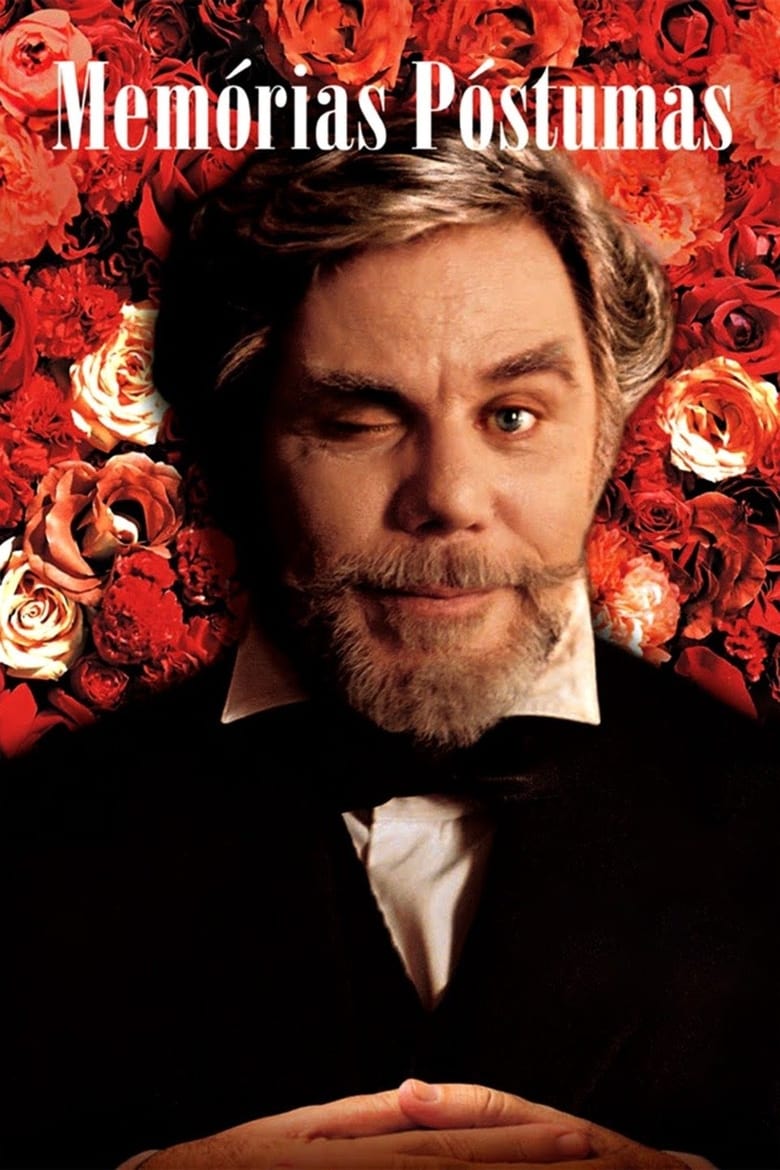
Posthumous Memories
2001
Director
André Klotzel
Runtime
101 minutes
Average Rating
No ratings yetSynopsis
Free adaptation of Machado de Assis' classic. The narrator is a rich dead man, who tells us about his life and times, making fun of both.
Where to Watch
Diversity & Representation
Overall Score
Good
Category Breakdown
LGBTQ+ Representation
The film offers a foundation for non-heteronormative subtext through its focus on the fluidity of desire. However, explicit depictions of queer identity remain limited by the 19th-century historical setting.
Gender Representation
Female characters are presented with significant psychological complexity and agency. The narrative avoids virtuous tropes, instead portraying women through a lens of intellectual autonomy and social maneuvering.
Racial & Ethnic Diversity
The film engages with the complex racial stratification of the era. It critiques systemic inequities, though visual representation is constrained by the historical context of the Brazilian elite.
Religious & Cultural Diversity
The film excels at critiquing traditional Western and colonial institutions. It deconstructs the sanctity of the family unit and religious morality through a skeptical, moral relativist lens.
Disability Representation
There is insufficient evidence to evaluate the portrayal of visible or invisible disabilities within the film.
Strengths
- Sophisticated deconstruction of traditional social and historical norms.
- Complex female characters who possess intellectual autonomy and agency.
- A unique narrative structure that critiques religious and colonial institutions.
Areas for Improvement
- Limited explicit depictions of queer identity due to the historical setting.
- Visual representation of racial diversity is constrained by the era's elite focus.
- Lack of evidence regarding the portrayal of disability.
AI Analysis
André Klotzel’s adaptation of Machado de Assis uses a cynical, post-mortem perspective to disrupt conventional moral expectations. By centering a deceased narrator, the film shifts away from heroic archetypes toward a fragmented, subjective reality that critiques historical class structures. The work succeeds in its sophisticated deconstruction of social norms and institutional authority. It prioritizes systemic critique over traditionalist storytelling, making it a compelling study of societal corruption and performative power. While the film offers depth in its social commentary, it is limited by its historical period. Explicit representation of certain identities is constrained by the 19th-century setting and the focus on the Brazilian elite.
Rate this Movie
Reviews
No reviews yet. Be the first to share your thoughts on this movie!
Use the rating form above to leave a star rating and optional review.