
Stolen Identity 2
2020
No user ratings available yet
Representation score: 5.1 out of 10
Representation Score
Limited
2003
Director
Masahiko Nagasawa
Runtime
122 minutes
Average Rating
No ratings yetNew Showbiz Analysis
Thirteen Steps is a character-driven drama that emphasizes individual psychological depth over identity-based or systemic narratives. The film operates within a localized Japanese context, adhering to the social and cultural norms of its time. While it avoids harmful stereotypes and allows for male emotionality, it does not intentionally disrupt traditional social hierarchies or provide characters who reflect more than one aspect of diversity. The narrative structure revolves around personal growth rather than critiquing established social or political systems. Ultimately, the film offers a culturally specific experience that lacks diverse identities, such as LGBTQ+ characters or individuals with disabilities.
Category Breakdown
The film follows typical romantic storylines and does not include characters with non-binary genders or challenge the assumption that everyone is straight.
The story delves into emotional vulnerability and interpersonal relationships. It avoids overly masculine stereotypes but does not focus on female empowerment or challenging gender roles.
As a Japanese production, the film features a culturally uniform cast. It does not use actors of different races to challenge traditional demographic norms.
The narrative centers on personal development and individual choice rather than systemic critiques. It avoids direct religious teaching but does not emphasize secular themes either.
The film focuses on the protagonist's psychological journey and does not feature characters with visible or invisible disabilities playing key roles in the plot.
Present on Screen
Limited or Absent
Official Synopsis
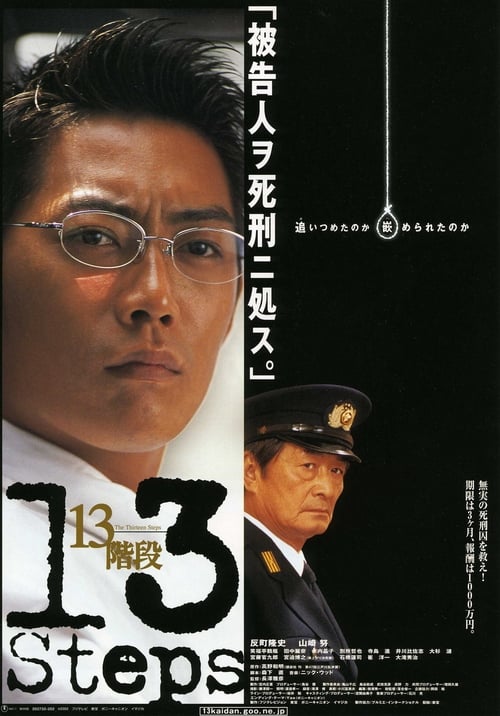
A released inmate is hired to solve a murder case.
2020

2016

2016

2008

2005

1991

2022

1996
No reviews yet. Be the first to share your thoughts on this movie!
Use the rating form above to leave a star rating and optional review.