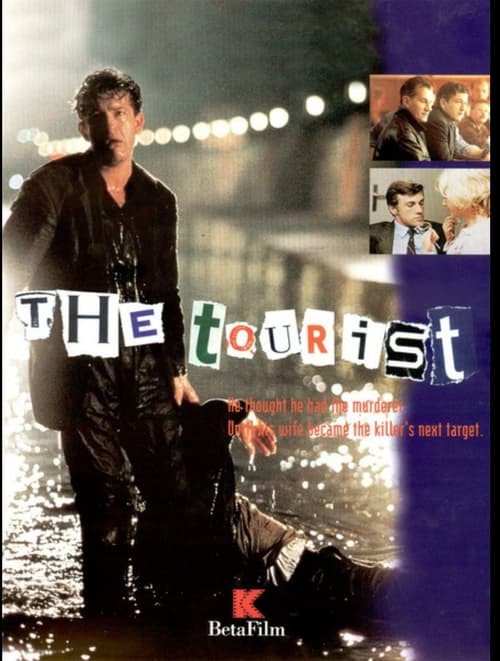
The Tourist
1995
No user ratings available yet
Representation score: 1.8 out of 10

Representation Score
Limited
2003
Director
Jean de Segonzac
Runtime
85 minutes
Average Rating
No ratings yetNew Showbiz Analysis
Code 11-14 is a conventional crime thriller that relies heavily on established genre clichés. The story prioritizes traditional structures of authority and the nuclear family, offering very little disruption to social or identity-based expectations. The film follows a standard mid-budget television format from the early 2000s, focusing on a Western law enforcement framework without engaging with diverse racial, ethnic, or gender-nonconforming perspectives. Ultimately, the production functions as a straightforward action piece, lacking the multi-layered narrative structure needed to move beyond the standard clichés of its era.
Category Breakdown
The film centers around a traditional FBI agent and his family. There are no visible non-straight or non-cisgender identities, nor critiques of the assumption that everyone is straight or cisgender.
The story emphasizes masculine leadership and the protagonist's role. Female characters are present but do not challenge traditional gender roles or hierarchies.
The plot follows an American agent traveling between Australia and the USA. There is no indication of a diverse cast or blending of racial identities.
The narrative adheres to Western institutions like the FBI. It follows conventional moral binaries without challenging Western institutions or promoting moral relativism.
There is no mention of characters with visible or invisible disabilities within the narrative.
Present on Screen
Limited or Absent
Official Synopsis
An FBI agent went to Australia with his family to capture a serial killer. When Australian Police captured the main suspect, he and his family went back to USA. Unfortunately the REAL serial killer also went back to USA in the same airplane with the FBI agent and his family
1995
1997

2000
1997
1995
2000
2007

1996
No reviews yet. Be the first to share your thoughts on this movie!
Use the rating form above to leave a star rating and optional review.